The Same Peninsula, Different Purposes
The Bukit Peninsula — Bali's southern limestone promontory — contains multitudes. The cliff-edge surf breaks and the five-star hotel corridors share the same geography but serve entirely different visions of what a stay or life in South Bali should look like.
Uluwatu and Nusa Dua are the peninsula's two organizing poles. They are close enough that a scooter ride connects them in twenty minutes. They are experientially different enough that choosing between them requires thinking about what you actually want rather than which postcode sounds better.
Uluwatu: The Cliff Edge
Uluwatu's identity was formed by surfing. The break at Uluwatu — a long, fast, challenging left — is one of the world's most recognized waves, and the village that grew around it developed in the image of the people who came for it: intentionally casual, unconcerned with luxury hotel aesthetics, organized around the water rather than real estate.
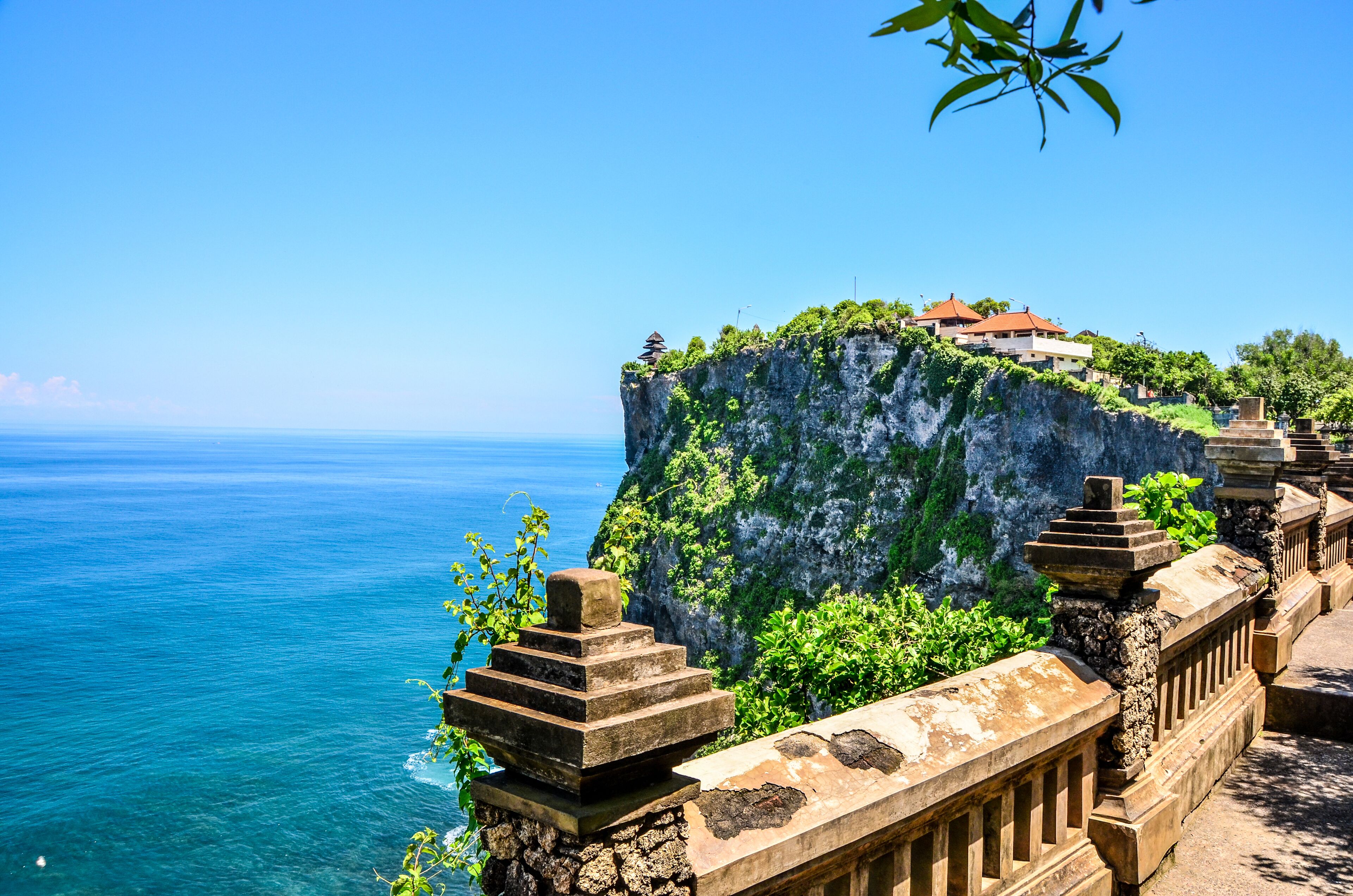
The landscape is dramatic in a way that photographs but also genuinely overwhelms in person. Limestone cliffs dropping to turquoise water, the horizon extending uninterrupted to India. The Pura Luhur Uluwatu temple at the point — one of Bali's sea temples — is active and accessible.
What Uluwatu offers for residents and longer-stay visitors:
- World-class surfing, including Uluwatu, Padang Padang, Bingin, Impossibles, and Balangan within short scooter distance
- Cliff-top and hillside villas with views unmatched elsewhere in South Bali
- A community built around surf culture, with the specific social character that produces
- Independent restaurants and cafés at a price point below the five-star hotel zone
- Single Fin beach club as a day and evening anchor
The trade-offs: the Bukit Peninsula roads are winding and steep — the drive from Uluwatu to central Seminyak runs 45 minutes to an hour. The beach at the base of the cliffs (Padang Padang, Bingin) involves descending steep stairs. Calm water swimming doesn't really exist on this coastline.
Best suited for: surfers, people who want dramatic natural landscape as their daily environment, those whose social life is organized around the surf community, long-stay visitors and investors targeting the surf accommodation market.
Nusa Dua: The Protected Bay
Nusa Dua was designed differently — intentionally, by the Indonesian government in the 1970s as a planned resort zone. The goal was to concentrate international hotel development in a controlled area, and the result is what you'd expect from a government-planned resort enclave: organized, manicured, reliable, and somewhat insulated from the rest of Bali.
The international hotel chains are here — Ritz-Carlton, St. Regis, Grand Hyatt, Mulia. The ITDC (tourism authority) maintains the streets and infrastructure. The beaches are calm, reef-protected, and clean. The Bali International Convention Center is here.
What Nusa Dua offers:
- Bali's only calm-water beaches comparable to Sanur, accessible to the south of the island
- Five-star hotel infrastructure at global standard
- Family swimming conditions — genuinely safe water for children
- Low traffic and organized street layouts relative to South Bali
- The Bali Collection shopping center and hotel-standard dining in a concentrated area
The trade-offs: the enclave character means Nusa Dua can feel sealed off from the actual Bali around it. The community of long-term expat residents is thin compared to South Bali's other addresses. The restaurant and nightlife options outside the hotel zones are limited. The vibe is resort rather than lifestyle.
Best suited for: families with young children who need calm swimming, people traveling for business or conferences, visitors who want reliable luxury hotel standards in a controlled environment, short-term visitors whose primary agenda is rest and beach rather than cultural immersion.
The Investment Lens
Uluwatu: the investment case is driven by surf tourism demand. Well-positioned villa properties with surf view or surf proximity generate strong short-term rental returns from a specific guest profile. Yields of 9–14% are achievable for correctly positioned properties. The guest season follows surf conditions rather than general high season.
Nusa Dua: the hotel zone dominates accommodation supply, making independent villa rental more limited. For villa investors, properties on the edges of the ITDC zone or in the Tanjung Benoa area (calm-water bay north of Nusa Dua) perform for the family beach market.
Making the Choice
The question to answer honestly: what is the central purpose of your Bali time?
- Surf, cliff views, independent culture: Uluwatu
- Calm water, reliable luxury infrastructure, family swimming: Nusa Dua
- A mix that requires neither extreme: South Bali (Seminyak, Sanur) gives more central access to both
Trying to be in both simultaneously usually means being in neither fully.
FAQ
Which has better dining?
Uluwatu's restaurant scene has grown significantly and now offers genuinely good options at multiple price points. Nusa Dua's dining is concentrated in hotels and is reliable but less diverse. For an independent dining scene, Uluwatu has more character.
Is Nusa Dua boring?
By the standards of South Bali's lifestyle economy, yes. By the standards of a planned beach resort, it's functional and pleasant. It's a category of experience more than a place with specific energy.
Can I commute from Uluwatu to Seminyak or Canggu daily?
Technically yes; practically challenging. The Bukit Peninsula roads during peak hours extend the 45-minute drive. For people who need daily access to South Bali's amenities, the commute becomes a significant factor over time.