Before the Name Becomes Recognizable
The neighborhoods that define a generation of Bali living tend to follow a pattern: discovery by surfers and artists, arrival of early expats drawn by low prices and space, gradual development as the word spreads, eventual transformation into the next established address.
Seseh is somewhere in the middle of that arc — far enough along to have the infrastructure that makes long-term life comfortable, early enough that the character the first arrivals chose it for remains largely intact. The black sand beach is still quiet. The fields are still there. The village rhythms still shape the neighborhood's days more than the tourist economy does.
For people who know what to look for in Bali living, this is a meaningful description.
Where Seseh Sits
Seseh occupies Bali's northwest coastal corridor, roughly 15 minutes north of central Canggu. The geography places it at the edge of South Bali's development gravity — close enough to access everything Canggu offers, separate enough to feel genuinely apart.
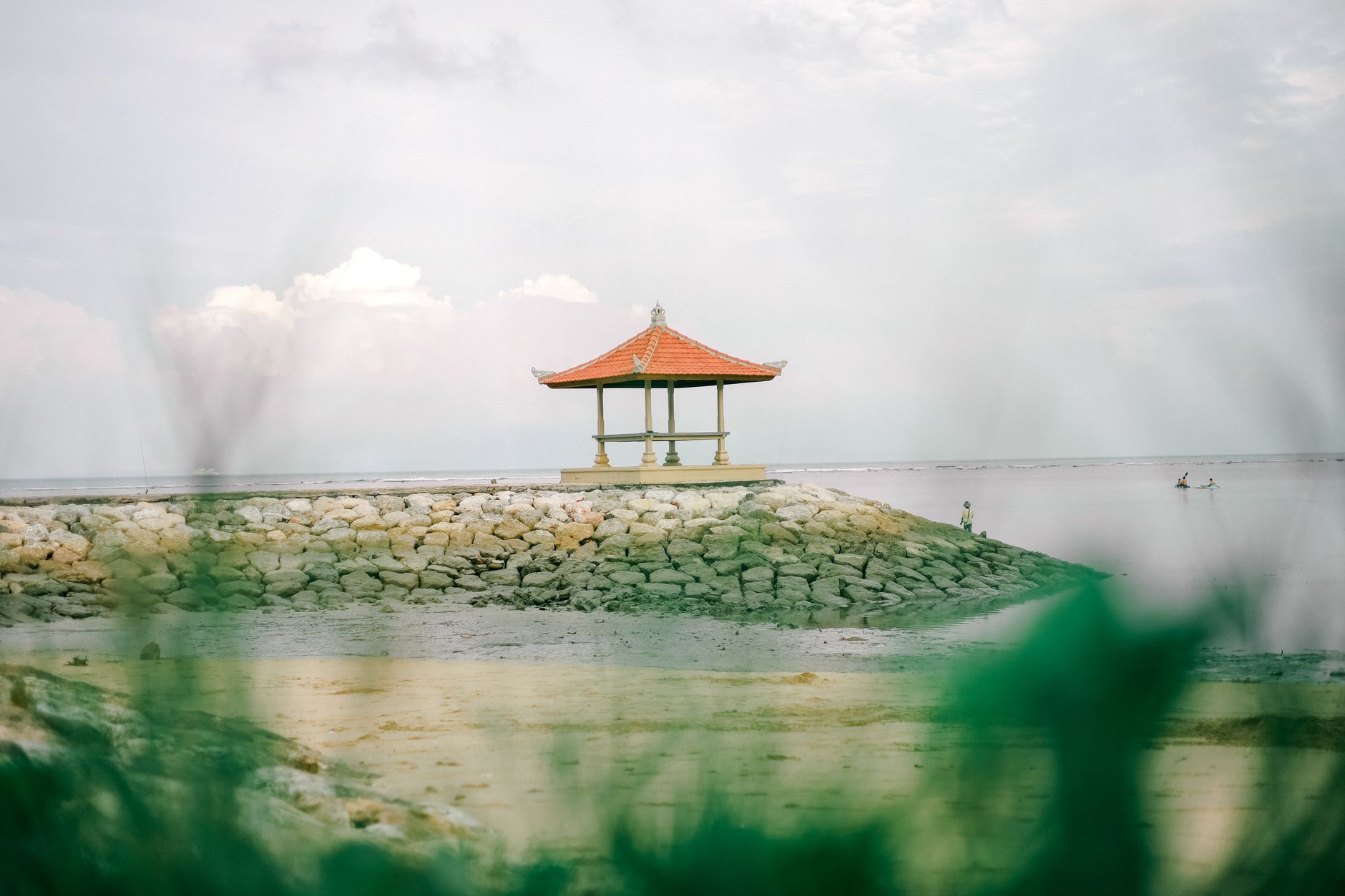
The beach is black sand, uncrowded, and not yet developed for beach clubs or tourist infrastructure. A few local warungs. The occasional resident taking an early morning walk. The sound of actual ocean rather than poolside music.
Access to Canggu's restaurants, cafés, coworking spaces, and services is a 15–20 minute scooter ride. The airport sits 40–45 minutes south. The relative distance — not great by any measure, but enough to filter out visitors who don't specifically want to be there — is what keeps the character.
Who Lives in Seseh
The Seseh resident profile has remained consistent: people who came to Bali and found, after some time in more central neighborhoods, that what they actually wanted was something quieter.
Architects, writers, and creative professionals drawn by space and natural light. Families with children who want a yard, a garden, and the Balinese village experience alongside their daily life. People with established remote income who came for the lifestyle promise and found the more commercial neighborhoods didn't deliver it. Artists and yoga practitioners who need the kind of quiet that only distance from the tourist circuit provides.
These are people who use Canggu as an amenity rather than an address.
Property and Rent
Seseh's pricing reflects its position: lower than Canggu for equivalent or larger properties, with land plots that don't exist in the more developed neighborhoods to the south.
A two-bedroom villa with pool rents for $800–$1,300/month — meaningfully less than equivalent Canggu properties. Three- and four-bedroom compounds with garden, outdoor space, and genuine privacy are available in ranges that would buy a single bedroom closer to the center.
For buyers, the land pricing still reflects Seseh's developing status. The corridor is known to investors — the window of genuinely undiscovered pricing has largely closed — but the gap relative to Canggu and Berawa continues to represent value for buyers who understand what they're purchasing.
What to evaluate carefully:
Road access matters more in Seseh than in Canggu. Some properties sit down lanes that become difficult in wet season or require navigating between agricultural land and village compounds. View the access on a normal weekday, not just during a property showing on a dry morning.
Water supply in Seseh comes from a mix of PDAM (municipal), river-sourced wells, and water delivery. Ask specifically about the water situation for any property — it's more variable here than in more serviced neighborhoods.
Daily Life
Seseh doesn't have the café and restaurant density of Canggu. This is the intended condition, not a deficit.
The local ecosystem: A handful of warungs serve the village and its resident community. A market in nearby Cemagi and Canggu's main markets are 15 minutes away. Residents who cook — and a higher proportion of Seseh residents do, relative to Canggu — shop in Canggu, at Pepito or Bintang, or at Pasar Kerobokan.
The daily rhythm: Early mornings are when Seseh is at its best. The beach at sunrise. Quiet roads before traffic builds. Temple offerings set out by neighbors. The smell of the ocean mixed with incense. The life that brought people to Bali in the first place, before the scale of arrival changed the more accessible neighborhoods.
Services: BIMC Kuta (international clinic) is 35–40 minutes. The airport is 40–45 minutes. These distances are real and worth factoring in — particularly for health situations that arise without planning.
The Village Relationship
Seseh's appeal is partly the beach and partly the village. The Balinese community here is more central to daily life than in neighborhoods developed primarily around the international resident economy.
Ceremonies are more present and more proximate. Temple festivals, processions, and ritual preparations happen in the lanes and public spaces of the village — not as a tourist attraction but as an actual community event. For residents who moved to Bali wanting genuine cultural connection rather than a curated version of it, this is the feature rather than the framing.
Navigating this well — with appropriate respect, genuine interest, and a willingness to participate when invited — produces the kind of Bali life that most arrivals arrive hoping for and fewer actually find.
Investment Considerations
Seseh is better suited to long-term rental than short-term holiday accommodation, given the distance from beach club infrastructure and tourist attraction density. Properties positioned for long-term expat and lifestyle renters perform better here than those targeting the Airbnb leisure market.
For investors with the patience to hold through the development cycle, the Seseh corridor — extending toward Cemagi — represents one of Bali's more interesting remaining value propositions. The land is cheaper than Canggu, the lifestyle appeal is genuine, and the trajectory of the corridor over the next five to ten years follows a pattern that South Bali's other "too far" neighborhoods have already completed.
FAQ
Is Seseh too far from Canggu for regular socializing?
For people comfortable on a scooter, no — 15–20 minutes is daily-commute range. For people who rely entirely on ride-sharing apps, it adds both time and cost to regular Canggu visits. The answer depends on how central Canggu's social infrastructure is to your life.
How does Seseh compare to Pererenan as an alternative to central Canggu?
Pererenan is closer to Canggu's core — 5–10 minutes versus 15–20 — and more developed as a residential neighborhood. Seseh is quieter, more rural, and more affordable. The choice is between proximity and character.
Is the beach at Seseh swimmable?
The beach is beautiful but not sheltered — the surf conditions are similar to Canggu, meaning swimming is possible but requires awareness of conditions. It's better for walking and watching than for casual ocean swimming. The calm water beaches (Sanur, Nusa Dua) are significantly further.