The Value Gap That Investors Are Starting to Notice
There's a particular moment in South Bali's neighborhood cycle when the smart money moves early. Canggu was that moment in 2016. Pererenan in 2019. The question now is where the cycle runs next, and Tibubeneng is appearing more consistently in that conversation than anywhere else.
The village sits in northern Badung Regency, between the southern Canggu neighborhoods (Berawa, Echo Beach) and the rice field corridors extending toward Tabanan. It doesn't have a surf break or a beach club or the social infrastructure that defines its neighbors. What it has is land — large, open, in an agricultural setting — at pricing that still reflects its current state rather than its proximity to one of Southeast Asia's most in-demand lifestyle destinations.
That gap is what the investment case is built on.
What Tibubeneng Is
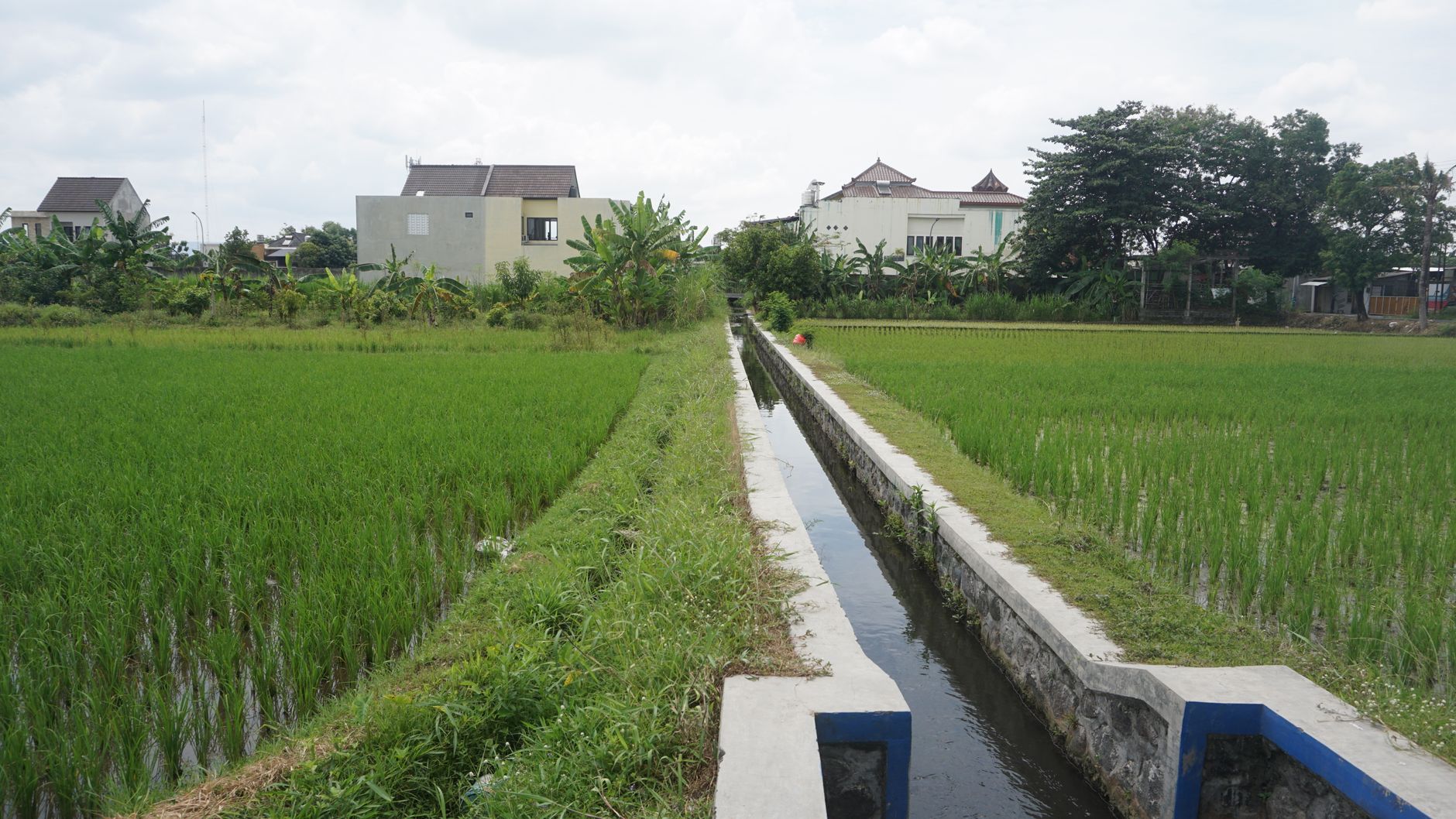
The village retains genuine agricultural character. Working rice fields are still the primary land use, not decorative backgrounds for villa photography. The roads are narrower and quieter than anything in Canggu proper. The facilities are minimal — a few local warungs, a small market.
This is the point. The rice field setting that people pay premium rates to view from their villa in Canggu is the actual environment here. The silence that South Bali's more developed addresses can only approximate is present at the ground level.
The northern edge of Tibubeneng touches Pererenan; the western edge extends toward the Seseh coastal corridor. For properties with the right positioning, the distance from the coast is 15–20 minutes.
Who Is Already Here
The early arrivals to Tibubeneng are a recognizable type: people who understand Bali's trajectory, who bought in Canggu or Seminyak earlier, and who are now looking at the land pricing and recognizing the pattern.
Several boutique villa developments have appeared in recent years, designed for the international lifestyle market but positioned against the agricultural setting rather than the beach club circuit. These properties are attracting the long-term rental market — people who want the Bali lifestyle at its most spacious and least crowded, without the noise of full development.
The high-end residential vision for Tibubeneng, when it comes, will not be high-density. The land sizing, the agricultural zoning requirements, and the character of what's being built suggest a corridor for spacious compound properties rather than the villa-cluster model that characterizes Berawa.
The Land Pricing
This is where the case is clearest. Tibubeneng land prices per are run 20–40% below comparable plots in Pererenan, and 40–60% below Berawa equivalents. The distance from central Canggu is 5–15 minutes by scooter.
For buyers who understand that:
- They're buying location potential rather than current amenity
- The returns are on a longer horizon (3–7 years rather than immediate)
- The entry price creates room for significant value creation
...the math is more compelling than comparable investment in more developed areas where appreciation has already been captured.
The Zoning Reality
Before any Tibubeneng land purchase, independent legal verification of zoning is essential.
Bali's spatial planning (RTRW) designates much of this corridor as agricultural land (Lahan Pertanian Pangan Berkelanjutan), which restricts commercial and residential development. The land that can be developed for villa use must be verified to carry tourism or residential zoning, and the IMB process must confirm buildability before any construction.
This is not a barrier unique to Tibubeneng — it applies across Bali — but it's particularly relevant in an agricultural corridor where the zoning mix is less uniform than in established residential areas. A notary experienced in Badung Regency land transactions is essential for due diligence here.
Short-Term Rental Performance
Tibubeneng is not a high-volume short-term rental market. It serves a specific guest profile: people who specifically want the rice field setting, the quiet, and the space that Canggu can't offer — and who are willing to be 15 minutes from the beach club rather than walking distance.
This profile tends to book longer stays (7–21 nights rather than 2–3 nights), which reduces turnover cost and produces steadier income even if gross occupancy rates are lower than Seminyak equivalents.
Gross yields in the 8–12% range are achievable for well-positioned Tibubeneng villas marketed correctly. The ceiling is lower than Canggu's most commercial short-term rental addresses; the floor is higher than it was three years ago.
The Long View
Tibubeneng's investment case is fundamentally about timing. The conditions that make a neighborhood a good investment early in its cycle — accessible pricing, proximity to an established desirable area, genuine lifestyle appeal, and infrastructure that enables building — are present now.
The window isn't indefinite. The same pattern that played out in Canggu, Berawa, and Pererenan is recognizable here in earlier form. Whether the timeline is two years or five depends on factors outside any investor's control, but the direction is legible.
FAQ
How far is Tibubeneng from Canggu's amenities?
By scooter, the core of Berawa and Echo Beach is 10–20 minutes from most Tibubeneng addresses. Enough distance to maintain the quiet; close enough to access the restaurants, beach clubs, and services without meaningful inconvenience.
Is the agricultural landscape permanent?
Not entirely. Badung Regency's spatial planning is reviewed periodically, and areas adjacent to established development corridors see zoning updates. This uncertainty is part of the investment reality — it's a reason prices remain lower, and a reason the upside remains significant if zoning evolves.
Is Tibubeneng suitable for long-term living?
For the right person: yes. People who want to cook at home, drive competently, don't need daily social scene access, and prioritize space and natural setting over urban convenience describe Tibubeneng as the best version of Bali living they've found.