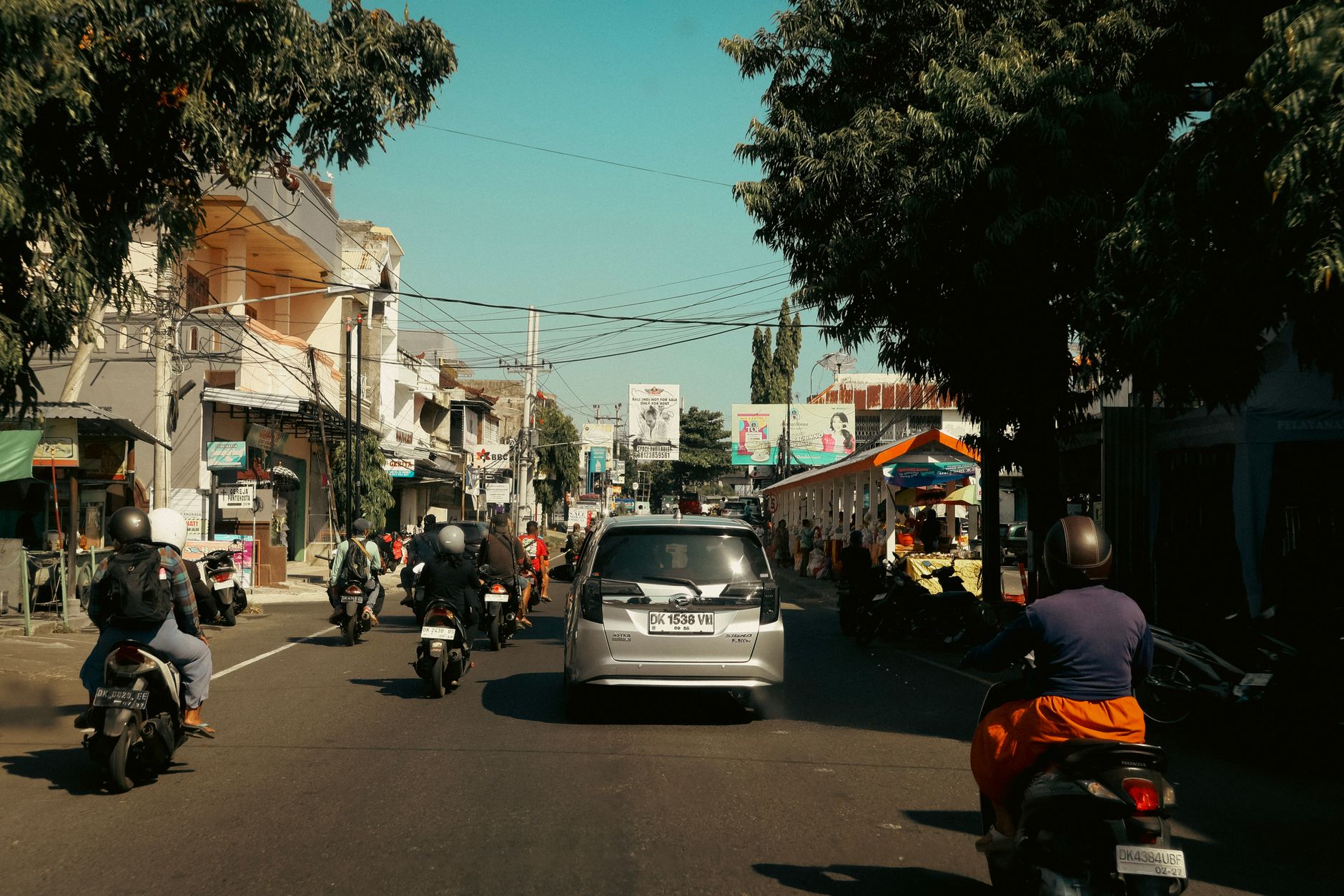
The True Range Is Wider Than Any Average Suggests
Bali's cost of living is a topic that produces wildly different accounts from people who've lived there, and this isn't because any of them are wrong. It's because the range of ways to live in Bali is genuinely wide — from $1,200/month to $5,000+/month — and both ends of that range represent real choices made by real people who describe their experience accurately.
Understanding where you'll land on that range, and why, matters more than any single number.
Accommodation: The Variable That Drives Everything Else
Accommodation is where Bali expat budgets diverge most dramatically, and it's the decision that has the most leverage on everything else.
Shared accommodation (one room in a house or villa): $350–$700/month in South Bali. This is the nomad-entering-market range. Common for people in their first month, people keeping costs minimal, or people who don't need their own space to work and live well.
One-bedroom apartment or simple villa: $600–$1,000/month. Becoming harder to find in central Canggu and Seminyak; more available in Sanur, Kerobokan, and Pererenan.
Two-bedroom villa with pool: $900–$1,600/month in most South Bali locations; $1,400–$2,200 in Seminyak and central Canggu. This is the sweet spot for couples or people who want genuine comfort.
Three or four-bedroom villa compound: $1,200–$3,000/month depending on location and quality. Often shared between two or three people, which reduces per-person cost dramatically.
The neighborhood choice has significant price implications. The same two-bedroom villa in Pererenan or Sanur costs $300–$600/month less than in Berawa or Batu Bolong. The lifestyle difference is real but smaller than the price gap.
Food and Dining
This is where intentional choices make the most difference.
Local warung eating: a full Indonesian meal (nasi campur or nasi goreng with protein, vegetables, and rice) at a local warung costs 20,000–40,000 IDR ($1.30–$2.70). Three meals per day this way costs $100–$150/month. This is how locals eat and how budget-conscious expats keep costs minimal.
Mixed eating (local for some meals, international restaurants for others): $300–$600/month per person. The normal pattern for most expats.
Eating primarily at Canggu/Seminyak-tier international restaurants: $700–$1,200/month or more. The good restaurants in South Bali are genuinely good and genuinely comparable in price to equivalent restaurants in major cities. They're not "cheap" — they're affordable by international standards, but choosing them daily adds up.
Cooking at home: groceries from a supermarket (Bintang, Pepito, Pepito Market) for a week of home cooking cost 500,000–800,000 IDR ($35–$55) for one person. Combined with local market shopping, this is the most cost-effective path.
Transport
Scooter rental: $60–$100/month (own rental). The functional choice for daily Bali movement.
Grab/GoJek: $80–$200/month depending on usage frequency. More expensive than scooter for daily movement; essential as a supplement or for non-riders.
Car rental with driver: $40–$70/day for an hourly or full-day driver. Most expats use this for airport runs and long trips rather than daily transport.
Healthcare
Bali's international clinics (BIMC, SILOAM, Kasih Ibu) provide good quality care for routine medical needs. Consultation fees run 300,000–600,000 IDR ($20–$40) for a standard appointment. Dental care is high quality and significantly less expensive than Western markets — a cleaning runs $30–$50, basic restorative work is proportionally affordable.
For serious conditions, Denpasar's hospitals handle most needs. For the most complex cases, medical evacuation to Singapore or Bangkok is the standard protocol.
Health insurance for Bali expats is strongly recommended. International health insurance plans covering Southeast Asia start around $100–$200/month for healthy individuals under 40.
Utilities and Communications
For those renting a villa (rather than an all-in guesthouse):
- Electricity: $40–$100/month depending on AC usage
- Water: $10–$30/month (from villa pricing or water delivery)
- Internet: $20–$40/month for IndiHome fiber
- Indonesian SIM with data: $10–$20/month
Total utilities: $80–$190/month for a mid-range villa.
The Monthly Budget Table
| Lifestyle | Monthly cost estimate |
|---|---|
| Budget (shared room, local food, minimal extras) | $1,200–$1,800 |
| Comfortable single (own room or simple villa, mixed dining) | $1,800–$2,500 |
| Comfortable couple (two-bedroom villa, mixed dining) | $2,500–$3,500 |
| Premium (quality villa, dining out frequently, gym, travel) | $3,500–$5,500 |
What's Genuinely Cheap vs What Isn't
Cheaper than Western equivalents: local food, transport, most services (massage, spa, housekeeping), villa rent compared to equivalent quality in most Western cities, healthcare, local products.
Comparable or close to Western prices: quality international restaurants, imported alcohol, imported food products, high-end accommodation, international school fees (if relevant), international health insurance.
Not cheap: imported goods (electronics, some clothing), good wine, specific specialty items that need importing.
FAQ
Is Bali getting more expensive?
Yes, meaningfully. The 2022–2024 period saw significant price increases in accommodation, dining, and services in South Bali — driven by demand returning post-COVID while supply didn't keep up. The Bali of 2019 was cheaper than the Bali of 2026. The island remains excellent value by most comparisons but is no longer the "impossibly cheap" destination it was seven or eight years ago.
What's the minimum comfortable budget for a month?
Around $1,800–$2,000/month for a single person who wants their own room (not shared house), eats locally most of the time, and has few luxury habits. Below this, life gets noticeably constrained.
Does Bali make financial sense if I'm earning in Euros or dollars?
For most currency earners, yes — the purchasing power differential is still substantial. Someone earning $4,000/month remotely can live very comfortably in Bali; the same income in London, New York, or Sydney would cover basic accommodation and leave much less.