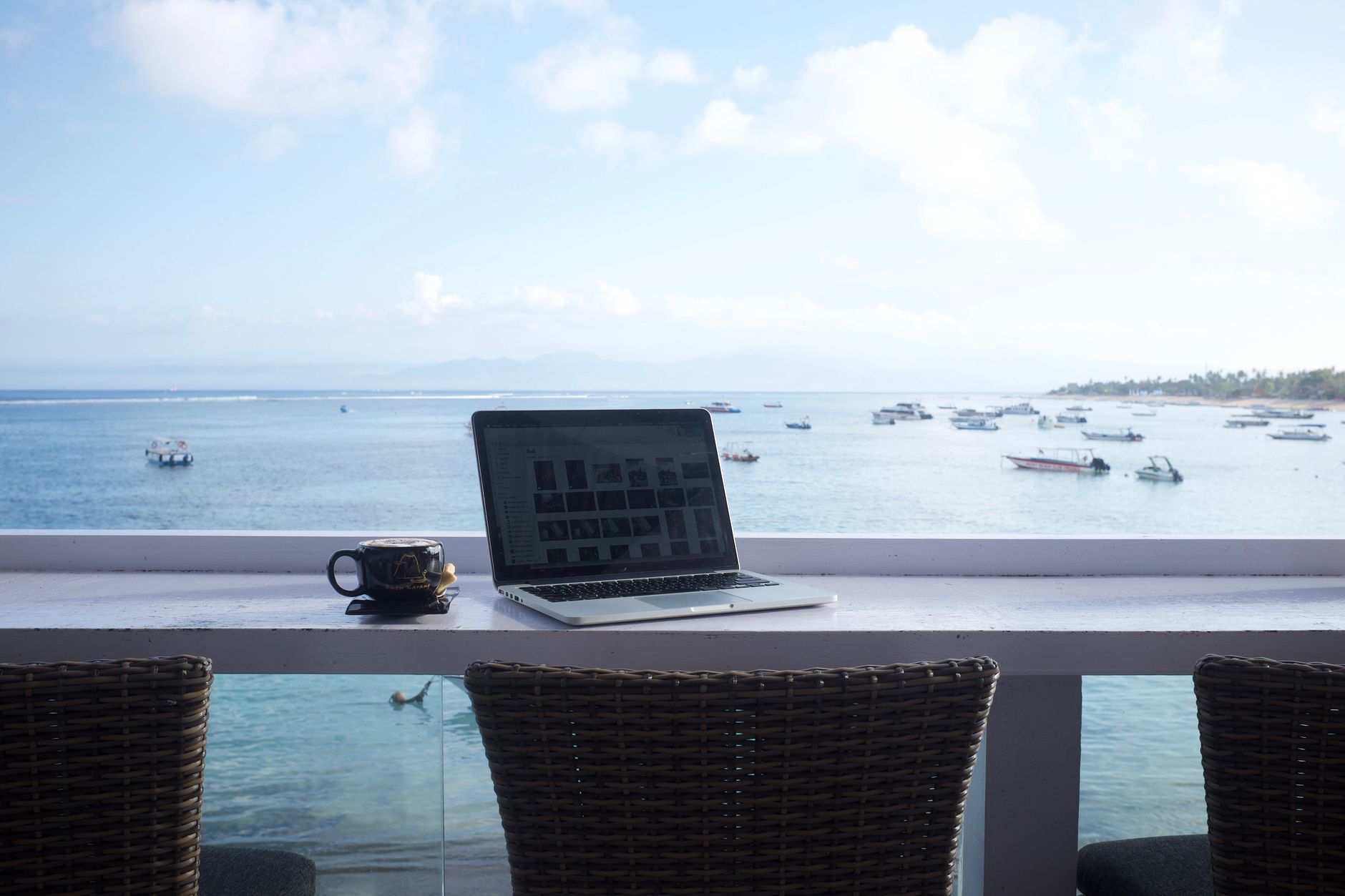
What Makes Bali Different from Other Nomad Hubs
The global circuit of remote-work destinations has stabilized around a dozen or so cities that offer the combination of infrastructure, cost, and lifestyle that location-independent workers want. Bali sits at the top of almost every ranking, and has for years.
The reasons are worth understanding specifically rather than accepting as general vibe. Bali works for nomads because of how its costs, community, infrastructure, and physical environment intersect — not just because it's beautiful (many places are beautiful). Getting this right tells you how to make the most of it; getting it wrong is what produces the 'I tried Bali and it didn't work for me' accounts.
The Legal Picture
This comes first because it's the most misunderstood element and the one that creates the most problems.
What foreigners can legally do: visit Bali on a tourist visa or visa-on-arrival (up to 60 days), extend that visa, or apply for a Social Visa (ITAS B211A), which allows up to 180 days on a single visit with sponsorship. Working remotely while on any of these visas is technically in a grey area — Indonesian immigration law doesn't have a defined "digital nomad" status that explicitly permits remote work for foreign employers.
What the enforcement reality is: as of 2025, Indonesian authorities have not systematically pursued foreign nationals working remotely for non-Indonesian employers on tourist visas. The stated compliance risk is real; the practical enforcement level has been low. This can change.
The Digital Nomad Visa (DE Rantau): Indonesia launched the DE Rantau program to formalize remote work for foreign nationals. Requirements: minimum income of $2,000/month (verified), valid insurance, and the ability to demonstrate remote employment or freelance income from non-Indonesian sources. The visa allows 5 years in Indonesia without a work permit. Applications are processed through BPOM; processing time varies.
For stays under 30 days: tourist visa, minimal concern. For stays of 60–180 days: tourist extension or social visa, low-risk in practice but technically grey. For stays of 6+ months or longer: DE Rantau or KITAS (working permit through a local company) is the appropriate path.
Practical Workspace Options
Coworking spaces: South Bali has Southeast Asia's most developed nomad coworking infrastructure. Dojo Bali (Canggu), Outpost (Ubud and Canggu), Tribal (Canggu), and a dozen others offer day passes, monthly memberships, meeting rooms, and the community density that makes coworking genuinely useful. Day passes run 100,000–200,000 IDR ($7–$14 USD).
Cafés as workspace: the café-as-office model works well in Canggu, Ubud, and Seminyak for morning sessions. Afternoons get busier; WiFi quality varies; the etiquette around long stays is to keep ordering. For intensive work, dedicated coworking is more reliable.
Villa with office setup: for stays of a month or more, a villa with a dedicated desk, reliable internet (IndiHome or Biznet fiber, not shared café WiFi), and a good chair for daily work is the highest-productivity option. Many villas can be set up this way; inquire about internet type before booking.
Connectivity
Bali's internet infrastructure has improved significantly. For most nomad purposes:
- IndiHome fiber (Telkom): 20–100 Mbps, available in most South Bali and Ubud locations, reliable for video calls
- Biznet fiber: faster and more stable where available, covers less geographic area
- Telkomsel 4G: reliable mobile backup, buy a local SIM on arrival at the airport
Test your villa or accommodation's internet on arrival — the first day is when you discover whether the "fast WiFi" in the listing is accurate.
Cost Reality
The range of nomad cost structures in Bali is wide enough that the "average cost" is almost meaningless. What matters is understanding the drivers.
Accommodation: the largest variable. A villa bedroom in a shared house in Canggu runs $400–$700/month. An entire two-bedroom villa with pool runs $1,200–$2,000. The choice here drives the budget more than anything else.
Food: eating at warungs and local markets, $300–$400/month is feasible. Eating primarily at the international cafés and restaurants that nomads tend to frequent, $700–$1,200/month is more realistic. The difference is choice, not necessity.
Coworking: $150–$300/month for a dedicated desk membership; $50–$100/month for occasional day passes.
Transport: scooter rental at $60–$100/month is the most practical option for daily movement. GoJek and Grab supplement for longer distances or when not riding.
Total monthly budget ranges:
- Minimal (shared house, local food, occasional coworking): $1,200–$1,800/month
- Comfortable (own villa room, mixed dining, coworking membership): $1,800–$2,800/month
- Comfortable with own villa: $2,500–$4,000/month
The Community Reality
The Canggu nomad community is the most visible and the largest. The concentration of like-minded people is genuine and the social infrastructure — events, meetups, coworking crossover — produces connection relatively quickly.
The trade-off: the same concentration that makes community accessible also produces a degree of sameness. Spending all time in the Canggu nomad bubble means spending time primarily with other location-independent Westerners — which may be exactly what you want, or may not be why you came to Bali.
Ubud produces a different community mix — more established residents, more people engaged with arts and culture and spiritual practice, fewer pure digital workers. The community is harder to access quickly but often deeper once accessed.
What the Best Bali Nomad Experiences Have in Common
The nomads who have the most satisfying Bali experiences, in virtually every account, are the ones who come with a plan for how they'll actually experience Bali — not just work in it.
A morning surf lesson, a weekly Balinese cooking class, learning even 20 words of Indonesian, attending a temple ceremony, making a connection with the village community rather than existing only in the international bubble. None of these require extraordinary effort or cultural sensitivity gymnastics. They just require treating Bali as a place you're in rather than infrastructure you're using.
FAQ
How long should a first Bali nomad stint be?
A minimum of 30 days to feel the rhythm rather than just pass through. Two to three months is the standard period for people genuinely evaluating whether Bali suits their work-life setup. Less than two weeks doesn't give enough time to settle.
Is Bali suitable for nomads with families?
Yes — particularly Sanur (international school, swimmable beach) and Canggu (Green School option, family villa infrastructure). The logistics are more complex but the family nomad community in Bali is significant and well-resourced.
What's the biggest mistake nomads make in Bali?
Arriving without a housing plan and ending up in overpriced short-term accommodation while searching for a monthly rental. Book a first month in advance; use that month to find the longer-term option that fits.