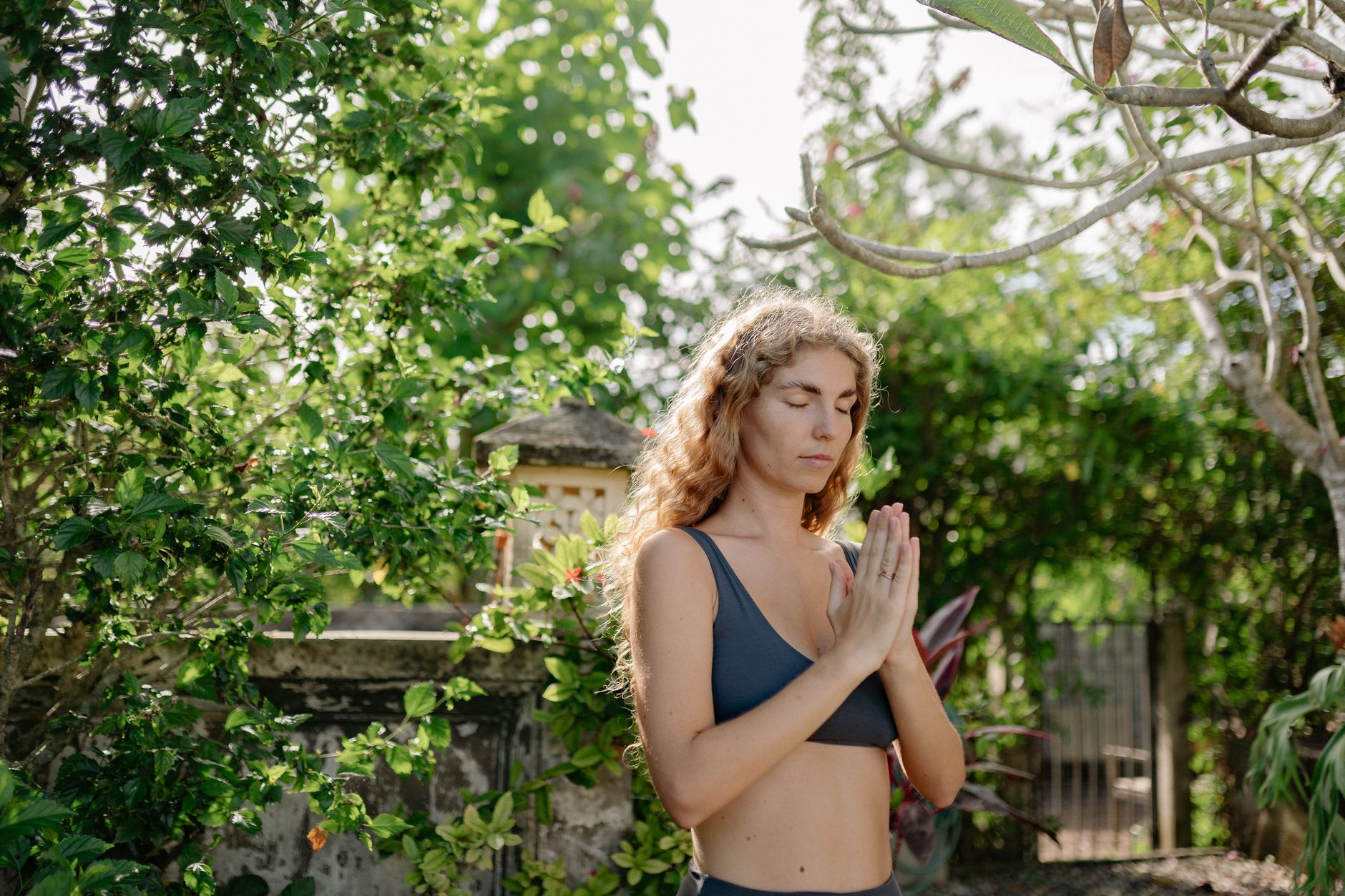
The Two Versions of Yoga in Bali
Bali receives more yoga visitors annually than almost anywhere on earth, and the result is a yoga industry that serves two fundamentally different markets — often in the same location and sometimes in the same week.
The first market: people who want yoga as part of a holiday, a beautiful setting, a taste of practice without the commitment of regular study. These people are well served by Bali's yoga economy. The classes are beautiful. The studios have good teachers for entry-level and casual practice. The Instagrammability is genuine.
The second market: practitioners who actually want to deepen their practice, advance their understanding, or undertake teacher training that will hold up in the long term. These people need to look more carefully, because the industry's presentation doesn't always indicate which category a program falls into.
This guide is for the second group.
What Serious Yoga Practice Actually Requires
A serious practitioner — someone with an established personal practice, interest in specific lineages, or plans to teach — needs to evaluate programs on different criteria than a beginner looking for a pleasant experience.
Teacher credentials matter: Yoga Alliance certification is a floor, not a ceiling. RYT-500 indicates significant hours of training; what those hours covered, under whom, and in what tradition matters more than the number itself. Look for teachers who can name their lineage (Ashtanga, Iyengar, Krishnamacharya, etc.) and their own teachers. Vague "yoga philosophy" without named traditions is a flag.
Philosophy depth: physical yoga practice is one component of what the tradition actually contains. Programs that engage seriously with pranayama, meditation, yoga philosophy (Patanjali's Yoga Sutras, Hatha Yoga Pradipika, Bhagavad Gita) alongside asana are operating at a different level than those that offer asana with relaxation and call it the full practice.
Small groups or individual attention: advanced yoga learning doesn't happen at scale. Programs capping at 8–15 students allow genuine adjustment, individual attention, and the kind of teacher-student dialogue that practice actually requires.
Ubud's Yoga Landscape
Ubud is Bali's yoga center by every measure — teacher density, studio quality, retreat infrastructure, and the cultural environment that makes long-form practice sustainable.
Yoga Barn: Ubud's largest and most established yoga center. The class program covers multiple styles; the quality varies significantly by teacher and session. The space is excellent. For serious practitioners, the best approach is to research specific teachers at Yoga Barn rather than the institution generally — there are genuinely good teachers here alongside the tourist-pace classes.
Radiantly Alive: smaller, more consistent quality orientation, with a clear perspective on practice and good selection of teachers committed to specific traditions. Workshops here tend to be substantive.
Taksu Yoga: retreat-focused, with longer programs that allow real progression. The rural setting (rice fields at the edge of town) supports the immersive quality that shorter programs can't develop.
Serious Programs Worth Investigating
For practitioners with genuine depth aspirations, a few specific program types deliver:
Mysore Ashtanga practice: the traditional form of Ashtanga instruction — a self-practice room where you move through the sequence at your own pace under teacher guidance. Several Ubud teachers offer genuine Mysore classes. This is how Ashtanga is actually learned; led classes (where the teacher calls the sequence) are supplements, not substitutes.
Pranayama-focused programs: rare and worth seeking specifically. Breath practice is the engine of yoga in the classical view; programs that teach pranayama systematically — not as a warmup but as the central practice — are operating at the tradition's deeper level.
Philosophy intensives: Patanjali's Yoga Sutras taught properly, with original Sanskrit and systematic commentary, exist in Ubud through specific teachers. These take time to find but provide the conceptual foundation that casual exposure to "yoga philosophy" doesn't.
Teacher Training (200-hour / 500-hour): the quality gap in teacher training is larger than in any other segment of the yoga industry. A 200-hour training delivered by an experienced teacher in a small cohort over 30 days produces genuinely different outcomes than the same certification earned in a large group over 4 weeks. Ask explicitly: maximum cohort size, lead trainer's teaching lineage, daily schedule, how much of the program involves practice versus lectures versus business training.
Beyond Ubud
South Bali has yoga options that serve different needs:
Sanur: quieter yoga offerings that tend toward the therapeutic and rehabilitative, serving Sanur's slightly older and more established resident community. Some excellent individual teachers practice here for one-on-one work.
Canggu: high volume, trendy studios with strong physical practice emphasis. Excellent for fitness-oriented yoga and for teachers and practitioners who want to experience the contemporary yoga scene. Less oriented toward classical depth.
Planning a Yoga-Focused Bali Stay
For a 10–14 day practice-focused visit, a useful structure:
Days 1–2: arrive, adjust to the climate and time zone, take gentle or restorative classes only
Days 3–10: morning Mysore or led practice, afternoon philosophy or pranayama workshop, evenings free
Days 11–14: consolidation, journaling, private session with a senior teacher to discuss what emerged
The climate — warm, humid — is productive for physical practice but requires acclimatization. Don't push on arrival.
FAQ
Is a yoga retreat worth it versus just drop-in classes?
For serious practitioners, the retreat format provides what drop-in classes can't: continuity of teaching relationship, the ability to develop over time, and a structured context for the practice. If cost allows, a focused 7–14 day retreat under a consistent teacher produces more than the equivalent time in drop-in classes.
How do I evaluate teacher quality before booking?
Search the teacher by name for videos of them teaching, student reviews outside of the studio's own website, and information about their training lineage. A teacher who can discuss their own teachers, their training history, and their practice philosophy clearly is operating at a different level than one whose bio describes yoga as "a passion."
Is Bali actually special for yoga, or is it marketing?
Both. The cultural context — a genuinely sacred island where spiritual practice is integrated into daily life rather than treated as leisure — does something that pure infrastructure can't replicate. The proximity to serious practice traditions (including regular visits by lineage teachers from India) is real. The marketing amplification is also real. The honest answer: for the right practitioner who has done the research, Bali's yoga environment is genuinely distinctive.