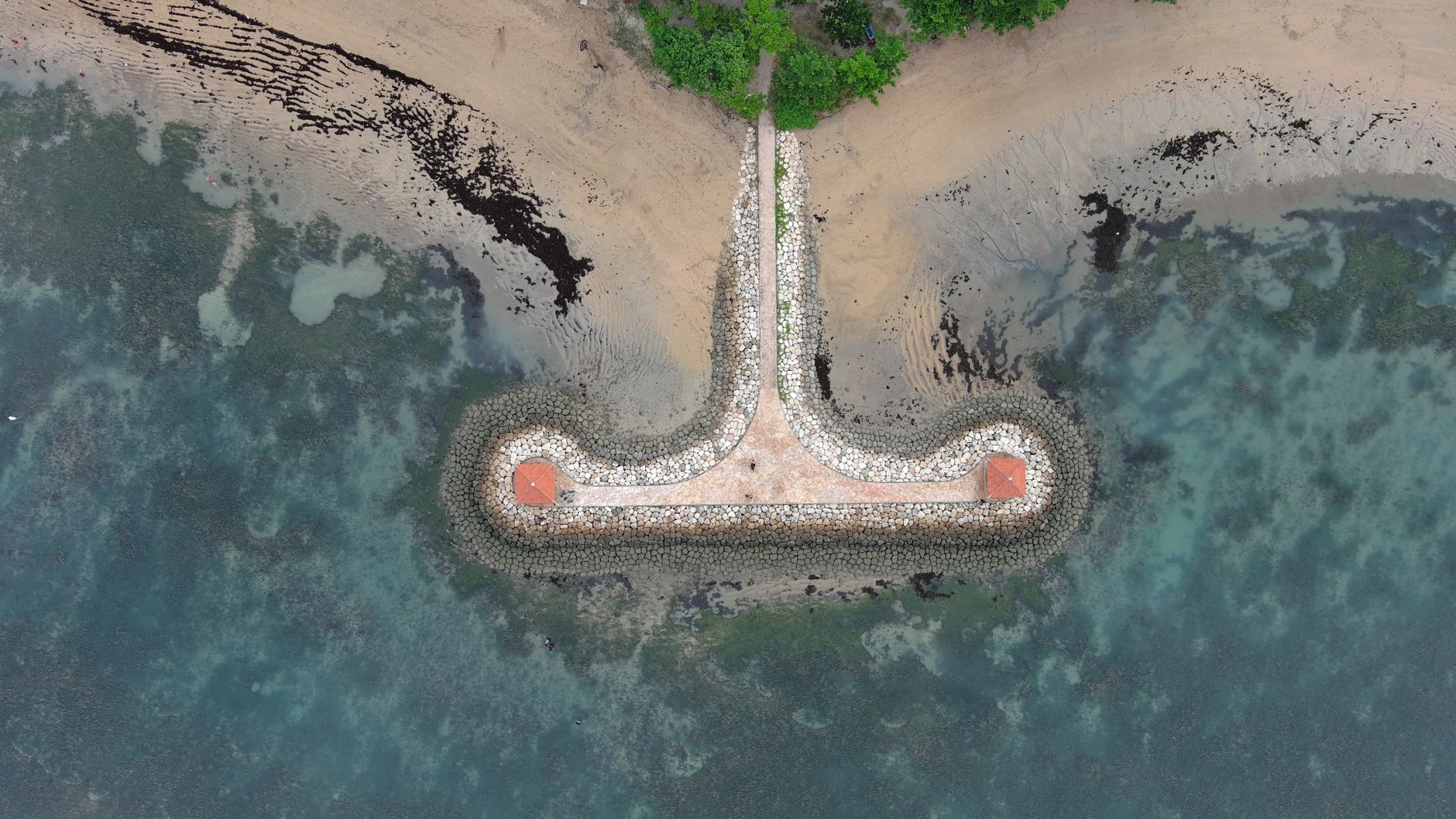
Two Neighborhoods That Represent Different Philosophies
Both neighborhoods have been part of Bali's expat and visitor story for decades. Both have good restaurants, quality villa stock, healthcare access, and established communities. The person choosing between them is usually choosing between two versions of what Bali life means to them — and the choice has real daily-life consequences.
This comparison is designed to make that choice easier.
Seminyak: The Sophisticated Option
Seminyak's identity was shaped by the wave of hospitality and lifestyle investment that arrived in the 2000s and 2010s. High-end restaurants, beach clubs, boutique fashion retail, the kind of infrastructure that emerges when people with money and taste decide to stay for years rather than weeks.
The result is a neighborhood that functions unusually well for the people it was built for. The restaurant quality is the best in Bali by average. The beach clubs (Potato Head, Ku De Ta, Merah Putih) set a regional standard. The villa stock includes some of the island's most refined properties.
What Seminyak delivers:
- Bali's highest-density concentration of excellent restaurants and bars
- Beach clubs that function as genuine social infrastructure
- Close proximity to shopping (Oberoi, Deus, Petitenget corridor)
- An established expat social scene with decades of institutional memory
- International medical access at nearby Klinik BIMC and hospital options
The trade-offs:
- Rent and restaurant prices both run at Bali's upper end
- Traffic during peak hours is significant — particularly on and around Petitenget
- The neighborhood's character has shifted toward a more transient population mix than it once had
Best suited for: young professionals and couples who want Bali's social life at its most sophisticated, short-term visitors who want to pack maximum quality into limited time, people for whom the specific restaurants and beach clubs are central to the experience.
Sanur: The Settled Option
Sanur developed differently — earlier, slower, and around a different original population. The Dutch expat community that arrived in the 1970s and 80s built something that looks, from a distance, less glamorous than Seminyak, and from close up, considerably more livable.
The streets are slower. The beach is calm water rather than surf. The restaurants are good in a way that feeds regulars rather than impresses one-timers. The community is older in both senses — more established, and with a slightly higher average age.
What Sanur delivers:
- Calm, reef-protected beach — genuinely swimmable daily
- Traffic that moves, roads that make sense
- BIMC's main Bali clinic and established medical infrastructure
- Bali International School — one of the island's oldest and most established
- Lower average price point for dining and services relative to Seminyak
- A community that has been here long enough to know its own character
The trade-offs:
- Beach clubs and nightlife infrastructure is minimal compared to Seminyak
- The social scene for younger arrivals is quieter and harder to access quickly
- The neighborhood doesn't have Seminyak's density of aspirational restaurant and bar openings
Best suited for: families with children, people prioritizing healthcare proximity, long-term residents who have moved through more hectic phases and know what they want, divers (Sanur is the main departure point for Nusa Penida and Lembongan), people who want a sustainable long-term Bali base.
The Specific Questions
For families with children: Sanur. The school (BIS), the swimmable beach, the quieter streets, and the more settled community all point the same direction. Seminyak families are out there — but they're making a deliberate trade.
For young professionals: Seminyak, or Canggu. Seminyak's social infrastructure is built for exactly this profile; Sanur's is not.
For a 2-week vacation: Seminyak, unless you're diving, have specific health needs, or know exactly what you want from Bali and it isn't beach clubs.
For long-term living: depends on stage of life, but Sanur consistently wins with people who've lived in Bali before and are choosing based on what they actually want rather than what looks best from the outside.
For investment property: different profiles work in different markets. Seminyak short-term rental targets higher-spending guests with shorter stays. Sanur targets families and longer-stay guests with steadier occupancy.
Proximity and Practicality
Seminyak and Sanur are about 30 minutes apart by car — neighboring as South Bali neighborhoods go, but not walkable to each other. Choose a base between them rather than assuming you'll move freely between both daily.
Both are close to the airport (Seminyak 20–30 minutes, Sanur 25–35 minutes). Both have good access to Denpasar for services not available on-location.
FAQ
Which has better beaches?
They're good for different things. Seminyak's beach at sunset is one of Bali's best visual experiences. Sanur's beach is the one you can actually swim in, walk on comfortably, and visit without navigating beach clubs. For swimming and daily use, Sanur is objectively better. For atmosphere and sunset, Seminyak.
Is Seminyak more expensive than Sanur?
Generally yes — particularly for restaurants and beach experiences. Villa rent for equivalent properties is comparable; Seminyak's premium properties run higher than Sanur's equivalent tier.
Can I experience both?
Easily — they're 30 minutes apart and both have enough to fill a day. The question is which to make home base, not which to exclude entirely.