The Neighborhood With No Elevator Pitch
Sanur doesn't sell itself the way Canggu does. It doesn't have the beach club circuit of Seminyak or the surf identity of Uluwatu. What it has is harder to photograph and easier to live in: calm water, tree-lined streets, a community that's been here long enough to feel settled, and the particular quality of life that comes from a neighborhood that built itself around residents rather than visitors.
The people who love Sanur don't usually move away. This is worth paying attention to.
What Sanur Actually Is
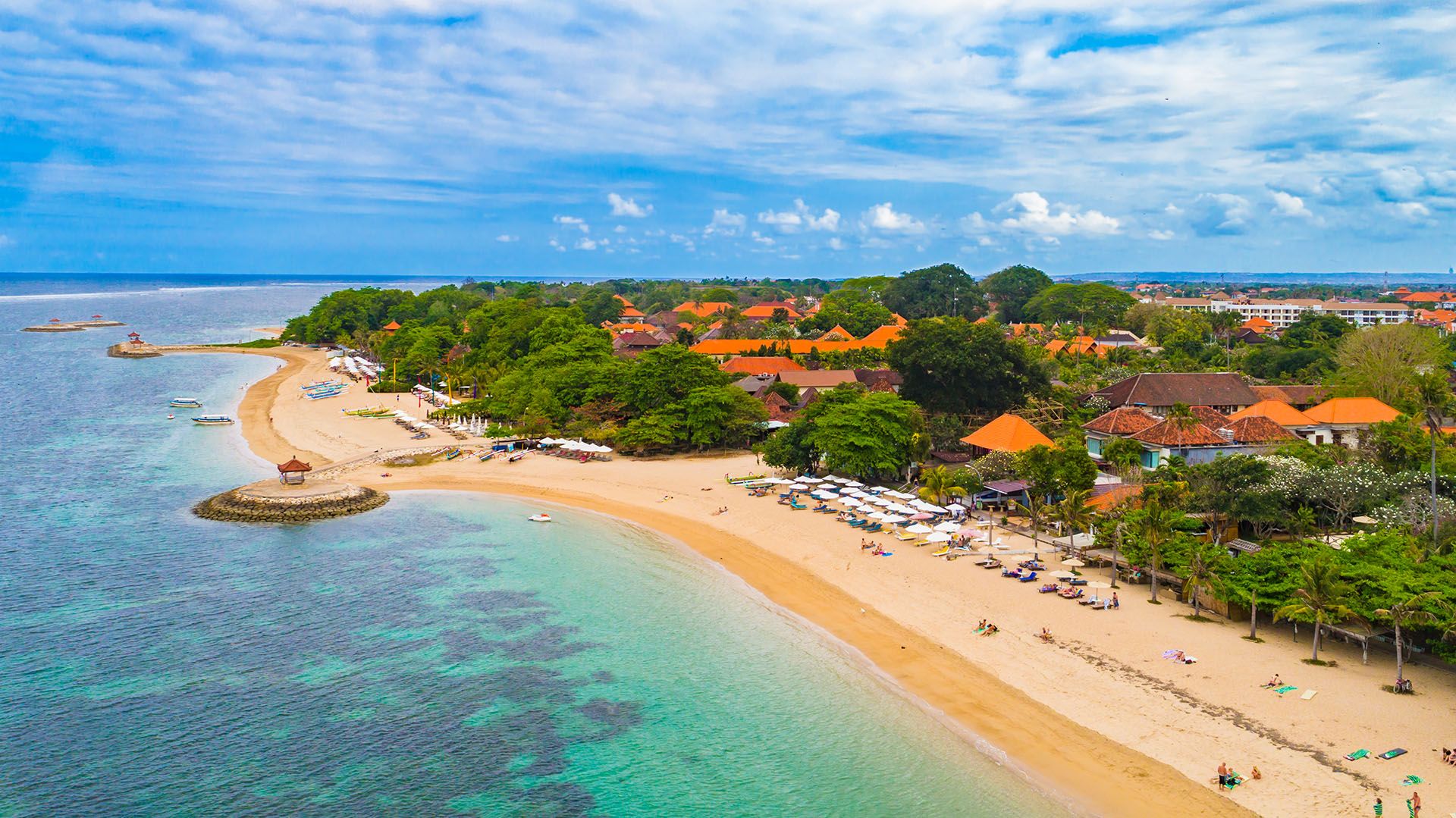
Sanur occupies Bali's southeast coast, protected by an offshore reef that creates calm, swimmable water — a rarity in a surf-focused island. The beach is genuine rather than performative: people walk it in the mornings, families swim in it in the afternoons. No one is posing for content.
The neighborhood's commercial core runs along Jalan Danau Tamblingan and the beach road — restaurants, clinics, art galleries, small hotels, and the kind of shops that serve people who live here rather than people passing through. The residential streets behind are quiet, lined with old trees and gated compounds.
Sanur has an established expat population — much of it Dutch, reflecting historical ties — that arrived decades ago and stayed. This gives the neighborhood an institutional memory that Canggu, for all its energy, lacks.
The Daily Life Quality
The beach: The reef-protected coastline makes Sanur's beach functionally different from the rest of South Bali. Swimming is straightforward. The sunrise is the best light in South Bali. The morning walk from one end of the beachfront to the other — past the outrigger boats, the fishing families, the early joggers — is a daily pleasure that residents describe consistently as one of the best parts of living here.
Food: Sanur has a genuinely good restaurant scene built around people who eat out regularly, not people looking for Instagram content. Local warungs and high-quality international restaurants coexist. The range spans from 25,000 IDR warung meals to $30 per person fine dining, without the tourist-market inflation of Seminyak.
Traffic: Sanur's street grid is its structural advantage relative to South Bali's other neighborhoods. The roads move. This sounds minor until you've lived in Canggu or Seminyak and experienced the daily tax of congestion on mood and time.
Healthcare: BIMC's most established Bali clinic is in Sanur. For families and for anyone prioritizing medical proximity, this is a real factor.
Schools: Bali International School (BIS) in Sanur is one of the island's original international schools. The presence of an established school has reinforced Sanur's appeal to families for decades.
Property in Sanur
Sanur's property market reflects the neighborhood's maturity: less speculative appreciation potential than emerging areas, more stability and rental consistency.
Rent: two-bedroom villa with pool at $900–$1,400/month. Three-bedroom at $1,200–$1,800/month. These are slightly below Seminyak equivalents and comparable to Kerobokan — reasonable for the quality of location.
Purchase: Sanur land prices are established. This isn't where you find undervalued land in a corridor before discovery — the discovery happened thirty years ago. What you find is stable value in a neighborhood with consistent rental demand.
Short-term rental performance: Sanur villas marketed to the right audience — families, mature couples, divers, people who actually want to swim — perform well. Occupancy is steadier across seasons because the neighborhood draws a less volatile guest profile than surf-driven areas.
Who Sanur Is For
Sanur rewards people at a specific life stage or with specific priorities.
It works exceptionally well for: families with school-age children, people with health considerations who want clinic proximity, those who've been in Bali before and know what they actually want, couples and individuals who want genuine relaxation rather than a social scene, and investors who prioritize consistent rental income over speculative appreciation.
It's a more considered choice for: people arriving fresh and wanting the maximum social immersion of a large international community, those whose daily enjoyment depends on surf access, and those for whom the particular energy of Canggu or Seminyak is central rather than peripheral to the lifestyle.
FAQ
Is Sanur boring?
This is the question Sanur's residents answer most often. No — but it's genuinely quieter than Canggu, and that's the point. The people who find Sanur boring tend to want something that Sanur correctly doesn't provide. The people who choose it deliberately almost never describe it that way.
How far is Sanur from the airport?
25–35 minutes depending on traffic — the most consistent airport-proximity of any quality South Bali neighborhood.
Is the beach swimmable?
This is Sanur's defining characteristic: yes, daily, safely. The reef creates conditions that don't exist on the rest of South Bali's coast.