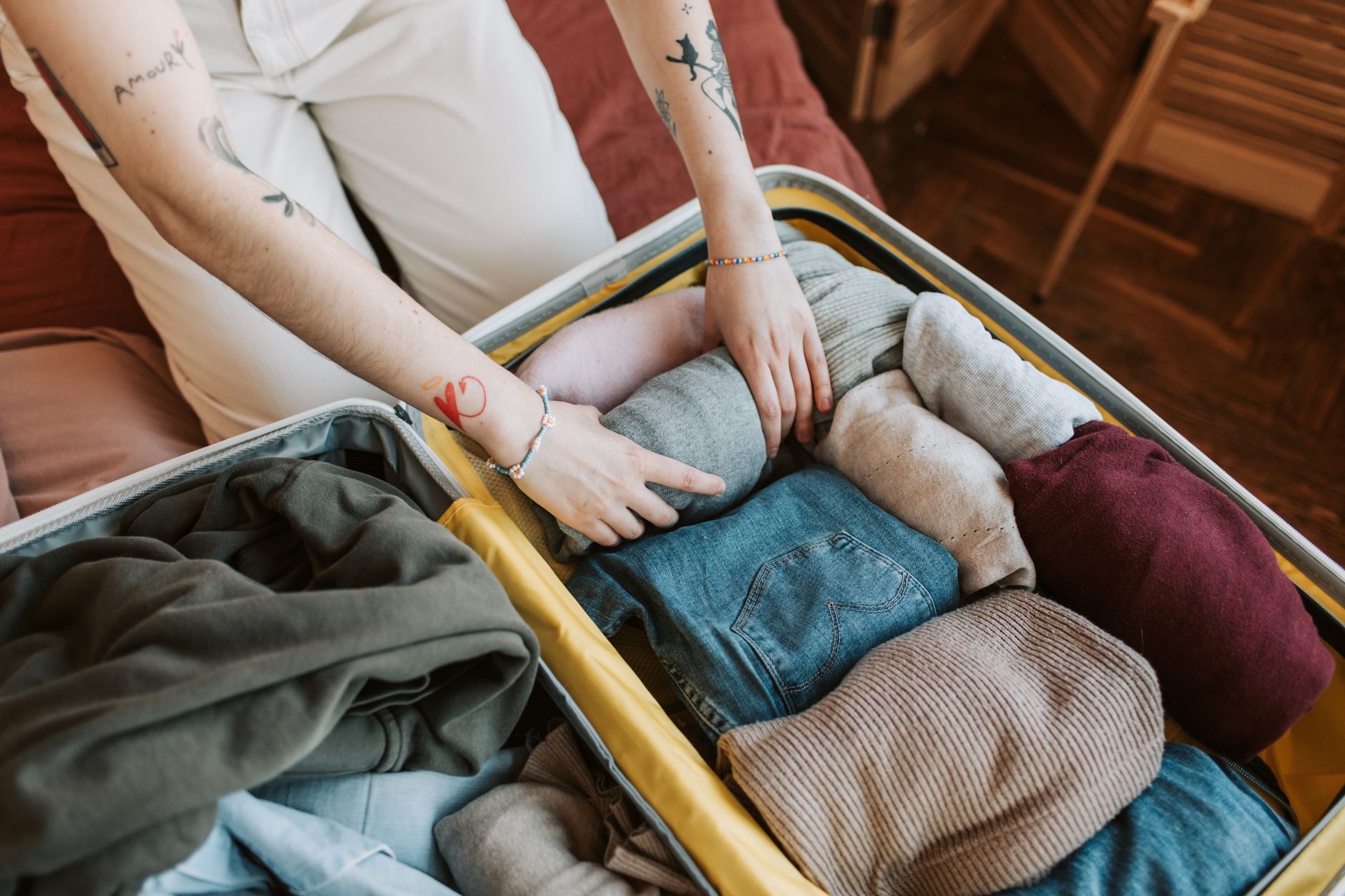
Settling Into Bali: The Essential Long-Term Living Packing Guide
Introduction: Preparation Meets Paradise
Bali attracts a compelling mix of seekers—digital nomads charting new professional horizons, expat families building fresh chapters, wellness-focused individuals, and those simply ready to call an island home. Whether you're committing to three months or three years, the difference between a seamless transition and a frustrating one often comes down to one thing: intentional packing.
Unlike a two-week holiday where spontaneity reigns and local shops rescue forgotten items, long-term living demands strategy. You're not just visiting; you're establishing a home, building routines, and creating stability in an entirely new context. The tropical island that enchants visitors can catch long-term residents off-guard when they realize their favorite skincare isn't sold locally, or they've packed four pairs of jeans they'll never wear.
This guide approaches packing as a thoughtful negotiation between three forces: what Bali's climate and lifestyle demand, what your specific circumstances require, and what the island actually offers to buy. The goal isn't to arrive with a overstuffed suitcase—it's to arrive prepared, organized, and genuinely ready to inhabit your new space from day one.
Clothing: Dressing for Tropical Realities
The Bali Climate Truth
Bali's year-round warmth creates a deceptively simple wardrobe reality: you need less clothing than you think, but what you choose matters significantly.
The everyday foundation:
- Lightweight cotton and linen shirts (5-7 pieces)
- Breathable shorts and skirts in natural fabrics
- One or two pairs of lightweight long pants for temple visits and air-conditioned spaces
- Comfortable, broken-in sandals and flip-flops (your daily uniform)
- A single pair of supportive walking shoes or sneakers for exploration
The temptation to pack your entire closet is real. Resist it. Most long-term residents find themselves wearing the same 40% of what they brought, while the remaining 60% sits dormant in your wardrobe.
Seasonal Layering
Bali's wet season (November to March) brings afternoon downpours and occasionally cooler evenings. A lightweight rain jacket or poncho serves double duty—protecting you during scooter rides and sudden storms. Similarly, a thin hoodie or linen shirt becomes invaluable on cooler evenings and in aggressively air-conditioned spaces.
For temple visits, which are frequent in Bali's cultural landscape, modest clothing is essential. Shoulders and knees should be covered. While you can purchase sarongs locally (and inexpensively), many residents prefer bringing lightweight, packable options that double as beach wraps.
Specialized Wear
If your Bali life includes beach activities, surfing, or snorkeling, invest in quality:
- Swimwear (two to three pieces rotate better)
- Rash guards or sun shirts for water protection
- Quick-dry towels if you prefer personal items over sharing communal ones
Electronics and Digital Infrastructure
The Non-Negotiable Tech List
For anyone whose income or livelihood depends on connectivity, electronics represent your most critical packing category. This isn't the place to compromise or hope local alternatives will suffice.
Essential work equipment:
- Your primary laptop with all necessary chargers and power cords
- SIM-unlocked smartphone for local data plans
- Universal travel adapter (Indonesia uses Type C and Type F outlets with two round pins)
- Multi-outlet power extension cords—villas often have fewer sockets than you'd expect
- Power banks for travel days, beach outings, and reliability during power fluctuations
Supporting Your Digital Life
Beyond basics, consider:
- Noise-canceling headphones for focused work in cafés, shared spaces, or your villa when ambient sounds become distracting
- External hard drive or robust cloud storage subscription for backup security
- Backup phone if your work depends heavily on mobile connectivity
- Camera or GoPro if content creation or documentation matters to your Bali experience
Why Local Isn't Your Answer
Electronics available in Bali come with limitations: selection is narrow, prices exceed what you'd pay at home, and finding specific models or technical support can prove frustrating. A laptop failing during monsoon season creates real complications. Bring what you know works, what you trust, and what you depend on.
Toiletries and Personal Care: A Nuanced Strategy
This category demands the most careful thinking, because the answer isn't universal—it depends on your specific needs and preferences.
Bring These From Home
Certain personal care items are worth the luggage space:
- Your preferred skincare brands if you have finicky skin or use prescription-strength products (Retinol-based treatments, prescription acne medication, medical-grade serums)
- Deodorant you trust, particularly if you're sensitive to aluminum or prefer specific formulations
- Hair care specifics—shampoos and conditioners for textured hair, color-treated hair, or uncommon hair types may not be available locally
- Prescription medications and supplements you depend on for wellbeing
- Contact lens solution if you're not a glasses person
- Feminine hygiene products if you prefer specific brands or types
- Sunscreen you've tested—reef-safe, high SPF, and formulations that work with your skin
Buy Locally (It's Actually Better)
Bali's beauty and wellness market is sophisticated:
- General sunscreen (restocking is easier than packing)
- Basic cosmetics—foundations, lipsticks, and makeup are widely available and affordable
- Daily moisturizers and cleansers (unless you have sensitive skin needing specific brands)
- Toothpaste and dental care products
- Insect repellent—local versions are formulated for Bali's mosquitoes and often work better
- Pain relievers and basic medications—paracetamol, ibuprofen, antacids are pharmacy staples
- Hair styling products unless you need specialty items
The Practical Middle Ground
Some items are worth a hybrid approach:
- Bring your favorite face wash or moisturizer, then switch to local alternatives when it runs out. You may be surprised by what works.
- Pack vitamins and supplements you currently take, research local availability for refills, and transition if you find acceptable local options.
- Bring deodorant, but explore local natural alternatives as backups.
Wellness and Recreation: What Supports Your Lifestyle
Fitness and Movement
If your Bali residency includes wellness priorities, consider:
- Yoga mat (lightweight, travel-friendly versions compress well)
- Resistance bands (minimal space, maximum versatility)
- Workout clothes you actually enjoy wearing
- Comfortable walking shoes beyond your everyday flip-flops
- Foam roller if you prioritize recovery
Many villas include yoga spaces or pool areas. Bali's fitness community is robust, with studios and classes readily available. You don't need a home gym; you need what gets you moving consistently.
Hobbies and Creative Pursuits
Long-term living flourishes when you nurture interests:
- Journals, sketchbooks, or art supplies if creativity matters to you
- Books in your preferred language (Bali's bookstores are limited)
- Musical instruments if you play
- Craft supplies for your particular hobbies
These items occupy psychological space far beyond their physical weight. They're anchors to your identity and sources of daily joy.
Home Comfort Essentials
Bedding and Textiles
Most villas provide bedding, but consider:
- Pillowcases or small pillows from home if you have specific comfort needs
- One lightweight blanket for air-conditioned spaces
- Familiar bed linens if you have texture preferences or sensitivities
This is one area where "roughing it" isn't romantic—quality sleep matters, and comfort is personal.
Kitchen and Dining
If your villa has kitchen access:
- Your preferred cooking utensils (Bali's kitchen equipment varies)
- Specialty spices or ingredients unavailable locally
- Your favorite coffee or tea
- Reusable water bottle for hydration
Documentation and Important Items
Pack these in your carry-on:
- Passport and copies
- Travel insurance documents
- Vaccination records or health certificates
- Visa documentation
- Driver's license (international driving permit if you plan to rent scooters)
- Bank account information and emergency contacts
- List of important phone numbers (yes, even in the digital age)
What to Leave Behind
Equally important: acknowledge what doesn't belong in your Bali life.
- Heavy winter clothing (obvious, but worth stating)
- Extensive formal wear
- Rarely-worn specialty items
- Duplicates of anything
- Items that don't genuinely bring joy or serve clear function
The Strategic Arrival Advantage
Arriving prepared isn't about perfectionism—it's about agency and comfort. When your essentials are in place, when you can settle into your villa and begin building routines without frantically searching for basics, the transition becomes smoother. You can focus on the actual work of settling in: learning your neighborhood, meeting community, exploring your new home.
Frequently Asked Questions
How much luggage is reasonable for a long-term move to Bali?
Plan for one large suitcase plus a carry-on backpack for essentials. Most long-term residents underestimate how little they actually need and overestimate how much they'll use formal clothing. You can always ship additional items later if you discover genuine gaps.
Should I bring expensive electronics or wait to buy in Bali?
Bring your laptop, phone, and any equipment your work depends on. Electronics in Bali are expensive and selection is limited. For casual items or replacements, local options may suffice, but your primary work tools should be trusted equipment from home.
Are international brand skincare products available in Bali?
Yes, but at marked-up prices. Premium brands like La Roche-Posay, Kiehl's, and Clinique are available in larger pharmacies and beauty stores in Ubud, Seminyak, and Sanur. If you have specific skincare needs, bringing three to four months' supply gives you transition time to explore local alternatives without stress.
Can I find good clothing once I'm in Bali?
Absolutely. Bali's fashion scene is vibrant, with everything from high-end boutiques to affordable local tailors. You can commission custom pieces, purchase quality resort wear, and find everything from vintage to designer. Arrive with basics; expand your wardrobe once you understand your actual lifestyle.
What's the one thing most people wish they'd packed?
Honest answer: comfortable, broken-in shoes. New shoes hurt just as much in paradise as they do anywhere else. Arrive with footwear that already works.
Is it better to ship items after arrival or pack everything now?
Most logistics companies offer reasonably priced shipping to Bali. If you discover genuine gaps after arriving (specific medications, comfort items, or equipment), shipping a second package often makes sense. Don't overpack trying to predict every need—you'll evolve once you actually live here.