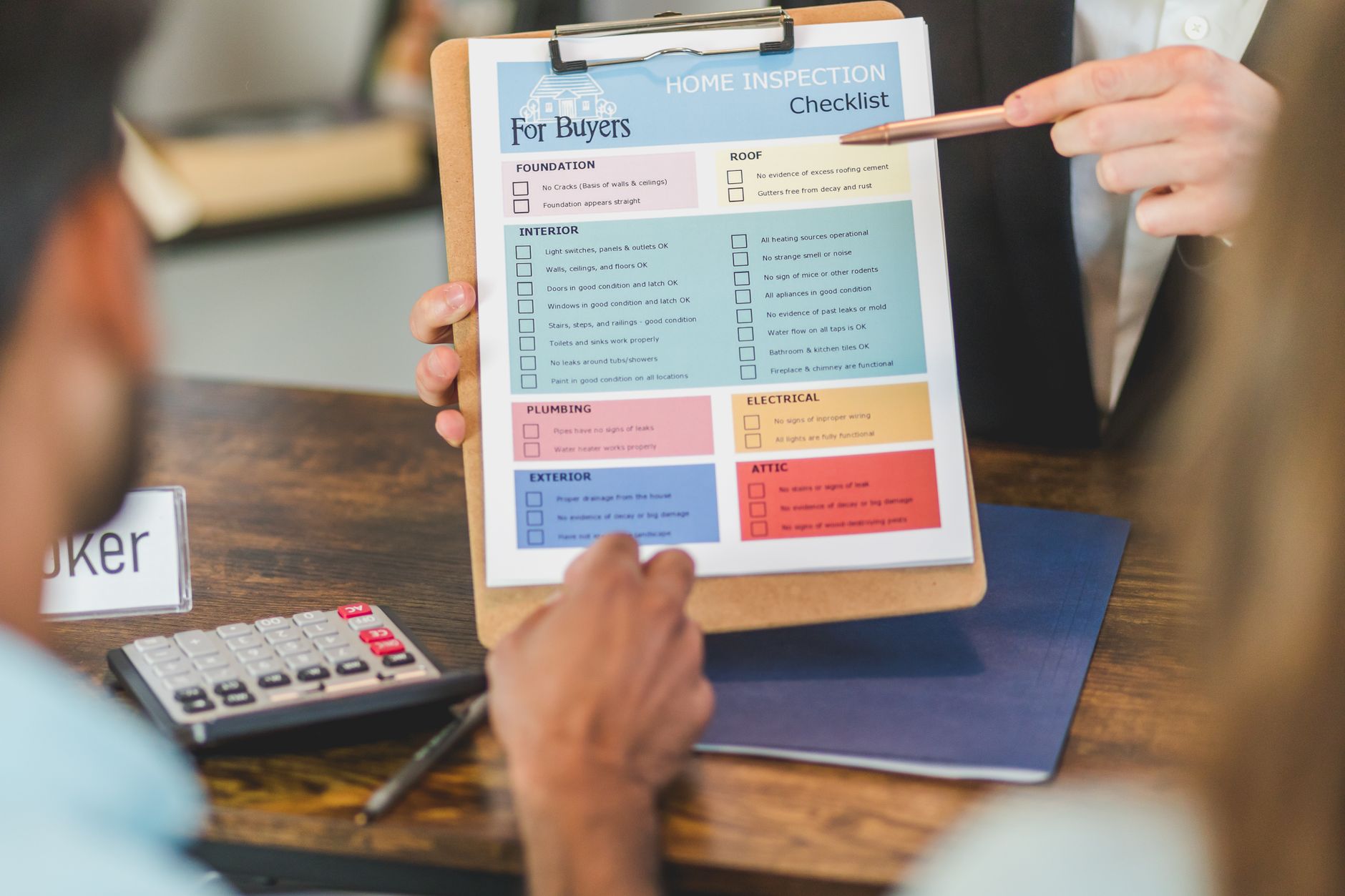
Why Lists Matter More Here Than Elsewhere
Most property mistakes in Bali are not mysteries. They don't result from unforeseeable complications or bad luck. They come from steps skipped — due diligence shortcuts taken under time pressure, paperwork assumed rather than verified, advice that served the seller's interest rather than the buyer's.
This checklist is organized in the sequence that protects you. The order isn't arbitrary. Each phase builds on the one before. Treat it as a minimum, not a maximum.
Phase One: Before You Begin Viewing Properties
The mistakes that prove most costly are often made before anyone has seen a single property. The preparation phase determines everything that follows.
Define your legal structure first.
Are you purchasing as an individual — in which case leasehold is your primary option — or through a PT PMA foreign investment company, which unlocks Hak Guna Bangunan title? This question has significant implications for what properties make sense, how long your acquisition takes, and what your ongoing obligations are. Decide it before you start viewing.
Engage independent legal counsel.
Not the seller's recommended notary. Not the agent's preferred lawyer. An independent lawyer whose sole obligation is to you, engaged before any negotiation begins. This step feels premature when you haven't found a property yet. It's not. Your lawyer's counsel will shape how you view every property you see.
Set a realistic budget including transaction costs.
Transaction costs in Bali typically run 7–10% above the stated property price. This includes BPHTB transfer tax (5%), notary fees (0.5–1%), legal fees, potential company formation if you're using a PT PMA, and a reserve for due diligence costs. Buyers who don't account for this discover the shortfall at the worst possible moment.
Clarify your intended use.
Personal occupancy only? Commercial short-term rental? Long-term lease generating passive income? The answer determines which permits you need, which properties are legally appropriate for your purpose, and which structures deliver the best combination of security and return.
Phase Two: Property-Specific Due Diligence
Once you've identified a property worth pursuing, this sequence protects your investment.
Verify seller authority.
Confirm the person offering to sell or lease has legal authority to do so. For corporate-held properties, verify board authorization. For family-held land — common in Bali — confirm all co-owners are represented. Land disputes in Indonesia frequently arise from unauthorized sales by one family member acting without others' consent.
Request the original land certificate.
Not a photocopy. Not a photograph on a phone screen. The original certificate, presented by the seller, reviewed by your lawyer and notary. Sellers reluctant to provide the original warrant immediate investigation.
Conduct a BPN title search.
Your notary should conduct an official verification at the Badan Pertanahan Nasional — the National Land Agency. This confirms certificate authenticity, registered ownership, absence of mortgages or liens, and absence of active disputes. This step is non-negotiable.
Confirm the title type and understand its implications.
Hak Milik (freehold) is the strongest foundation for any structure built on top. Hak Guna Bangunan, Hak Pakai, and uncertified Girik each carry different complexity, different term limits, and different renewal requirements. Know what you are acquiring.
Verify zoning.
Agricultural zoning cannot legally support villa development. This sounds obvious; it surprises more buyers than you'd expect, particularly in rural areas where beautiful land comes at attractive prices precisely because it cannot be legally developed. Verify with the local government planning office, not just the seller's representations.
Conduct a physical inspection.
Have a professional inspector examine the property before any payment. In Bali's climate, moisture intrusion, foundation issues, and electrical system irregularities are common. Renovation costs discovered after purchase rarely justify the original price.
Check for outstanding utilities and service debts.
Water, electricity, and internet accounts sometimes carry balances that transfer with the property. Verify all accounts are current before closing.
Phase Three: Contract and Closing
Have your lawyer review every document before signing.
This includes the preliminary agreement (MOU), the notarial deed, and any side agreements. Documents that look standard are not always standard. Verbal representations made by agents or sellers belong in writing or they don't exist.
Verify notary credentials and independence.
Indonesian notaries are public officials, but not all operate with equivalent professionalism or without conflicts of interest. Your lawyer should recommend or approve the notary used for the transaction.
Confirm payment mechanisms.
Never pay in cash without a notarized receipt. Bank transfer with clear documentation is preferable. Payments tied to milestone completion protect you; front-loaded payments do not.
Obtain all permits and registrations.
Ensure the transaction yields all relevant documentation: notarial deed, updated land certificate, applicable permits for your intended use. A property "transferred" without these documents is not fully transferred.
Phase Four: Post-Acquisition
Register your acquisition appropriately.
Depending on your structure, there may be registration requirements with relevant Indonesian authorities. Your lawyer confirms these within 30 days of closing.
Set up property management if not self-managed.
A property generating income requires proper management — not just for operational performance, but for tax compliance. Indonesia's tax framework for rental income applies to foreign-held properties. Mismanagement here creates liability.
Maintain proper documentation of all transactions.
Property disputes in Indonesia are sometimes resolved in favor of the party with the better paper trail. Keep originals. Store copies offsite.
FAQ
How long does a typical Bali property acquisition take?
A straightforward leasehold deal with clear title takes four to eight weeks from signed preliminary agreement to completed transfer. PT PMA formation adds six to ten weeks if the company doesn't already exist.
Is it safe to invest in Bali property without visiting in person?
Possible, but not advisable for significant investments. Due diligence items — physical inspection, meetings with lawyers and notaries, assessment of the location — benefit from personal presence. Remote acquisitions happen and sometimes work well; the risk profile is higher.
What is the most common mistake foreign buyers make?
Trusting a seller's agent to act in their interest. The agent's obligation runs to the seller. Independent legal counsel, engaged early, is the single most protective step most buyers skip.