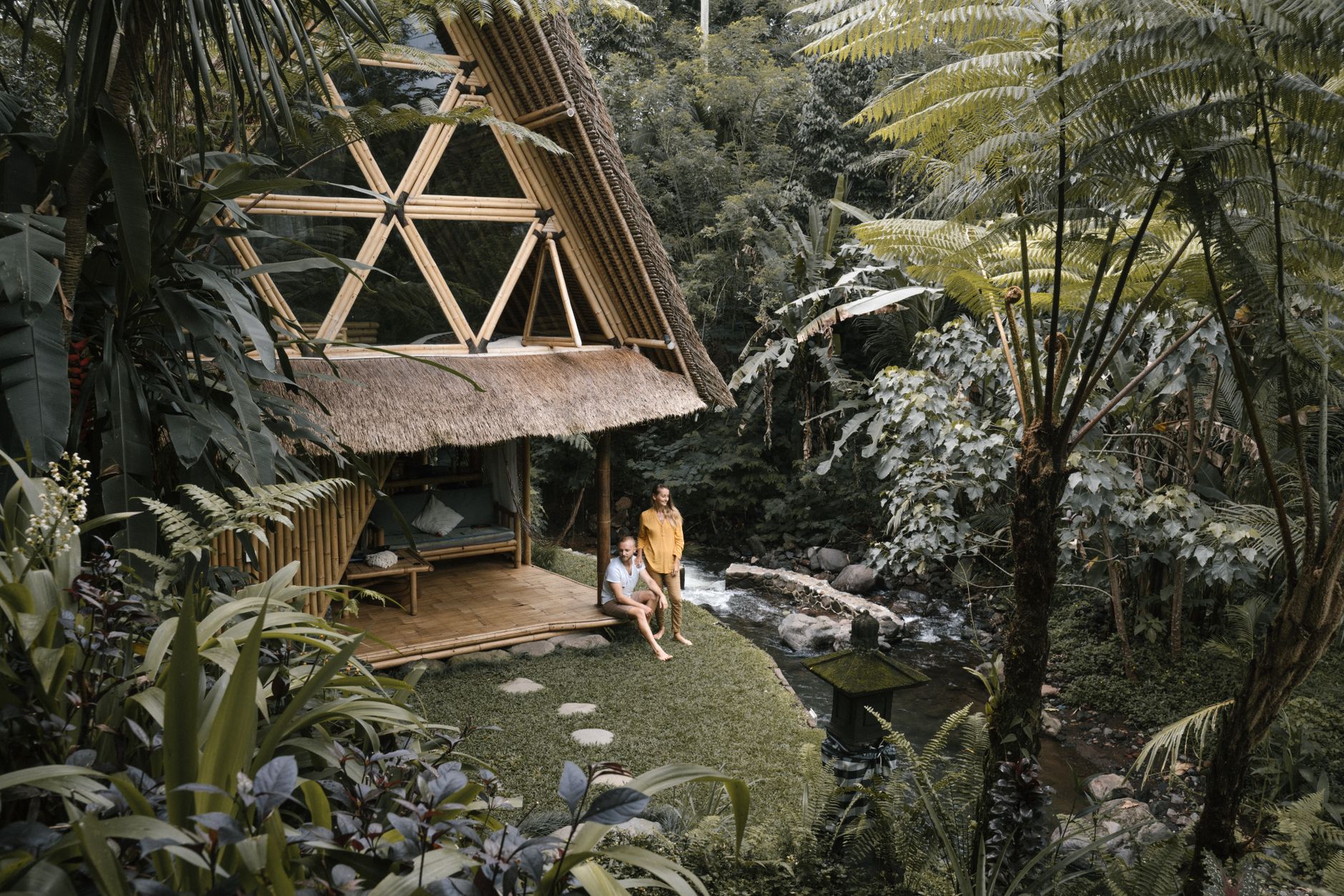
Why Bali Leads Southeast Asia's Sustainable Architecture Movement
Bali's sustainable architecture scene is not a marketing exercise. It is the product of a specific collision: traditional Balinese building knowledge (bamboo, local stone, natural ventilation), international design talent drawn to the island's creative community, and a growing resident population that is willing to pay for and live in structures built with environmental integrity.
The result is an architectural tradition that is genuinely influential. Structures built in Bali have been featured in international design publications, won global architecture awards, and prompted architects from other countries to relocate specifically to work here.
Bamboo Architecture: The Island's Native Sustainable Material
Bamboo is the most significant sustainable building material in Bali's context. It grows rapidly — some species add several meters of height per year — requires no chemical fertilizers, stores carbon during its growth phase, and has structural properties that make it viable for complex architectural applications.
Bali's bamboo architecture tradition long predates the sustainability conversation. Traditional pavilion structures (bale) and smaller outbuildings have used bamboo for generations. What has changed in the past two decades is the sophistication of engineered bamboo construction — the techniques that allow bamboo to be used for large-scale, structurally complex, architecturally ambitious buildings.
Engineered Bamboo: What It Means
Engineered bamboo treatment involves:
- Borax treatment: Removes starches that attract insects, dramatically extending the material's lifespan to 25–50 years with proper maintenance
- Structural grading: Selecting culms (bamboo stalks) appropriate for specific structural loads
- Connection systems: Metal-free or low-metal joinery methods that allow bamboo's natural flexibility to work with rather than against structural loads
Properly treated and engineered bamboo structures are not the fragile novelty that uninformed expectations assume. Several bamboo structures on the island have been standing for two decades and are in excellent condition.
Sustainable Villa Design in Practice
Beyond bamboo, Bali's sustainable villa scene encompasses a range of design approaches:
Natural Ventilation Design
Bali's climate — consistently warm, with reliable trade winds — allows well-designed structures to reduce air conditioning dependency significantly. High ceilings, strategic window placement, and courtyard configurations create natural air flow that keeps living spaces comfortable without mechanical cooling for much of the year.
Villas designed with serious attention to natural ventilation are both more pleasant to inhabit and less expensive to operate than those that rely entirely on air conditioning.
Local Stone and Traditional Materials
Bali's volcanic landscape provides building materials that have been used for centuries: paras (soft volcanic sandstone), river stones, and local brick. These materials have low embodied energy compared to imported alternatives, support local quarrying livelihoods, and age beautifully in Bali's climate.
Water Management
Rainwater collection, greywater recycling, and composting systems are increasingly integrated into premium sustainable villa design. In Bali's context — where water supply can be inconsistent and sewage infrastructure limited in rural areas — these systems also have direct practical value beyond their environmental credentials.
Solar Power
Bali's solar irradiance is consistent and strong. Solar panel installations on villa rooftops are increasingly common. A properly sized system can generate sufficient electricity for a household's operational needs, with excess fed to the grid.
Where to Find Sustainable Living in Bali
Ubud area: The highest concentration of bamboo architecture and eco-conscious design. IBUKU (Green Village) and Sharma Springs — two of the world's most famous bamboo structures — are both near Ubud. The area attracts architects and designers specifically interested in sustainable construction.
Tabanan Regency: The rice field landscapes west of Canggu have seen several sustainable retreat and villa developments that prioritize environmental integration over footprint maximization.
North Bali: Less developed, lower land prices, and a more genuinely rural character. Appropriate for sustainable projects that need more space and a less tourist-facing location.
Renting a Sustainable Villa
For those who want to experience eco-conscious Bali living without purchasing, rental options exist:
- Several eco-resorts and bamboo villas in the Ubud area offer longer-term accommodation arrangements
- Individual bamboo villa rentals are available through specialty platforms and direct booking
- Sustainable retreat centers often accommodate extended stays with work-compatible connectivity
Expect to pay a premium over conventional villas of equivalent square footage — sustainable materials and craftsmanship cost more. The premium is typically 20–40% for genuine sustainable construction versus conventional builds.
FAQ
Is bamboo construction structurally sound in Bali's earthquake zone?
Engineered bamboo's flexibility actually works in its favor in seismic conditions. Bamboo structures have historically outperformed rigid concrete structures in earthquake events. Proper engineering is the key variable.
What maintenance does a bamboo structure require?
Regular application of natural oil treatments, monitoring of connection points for moisture, and annual professional inspection. More attentive than concrete but not dramatically so. With proper maintenance, engineered bamboo structures have documented lifespans of 25–50 years.
Are sustainable villas more expensive to rent in Bali?
Generally yes, by 15–40% above conventional equivalents. The premium reflects higher construction cost, unique design, and the specific market that values this type of accommodation.
Can I build a sustainable villa on agricultural land?
Zoning determines what can be built, not the building material. Agricultural land requires proper conversion before construction. Sustainable design does not grant exemption from zoning requirements.