Why South Bali Works for Fitness-Focused Long-Term Residents
Long-term living in Bali is not a retreat from physical discipline — for many residents, it is an upgrade. South Bali has developed a wellness infrastructure that rivals purpose-built fitness destinations, with the added advantage of warm weather, strong community, and a culture that treats movement as a daily practice rather than a chore.
Whether you are committed to strength training, serious about yoga, or somewhere between the two, you will find facilities and instructors here that match your level.
Canggu: The Fitness Capital of the Island
Canggu has become the undisputed center of Bali's fitness scene. Its concentration of gyms, yoga studios, and wellness spaces per square kilometer is remarkable for a neighborhood that was rice fields a decade ago.
What to Expect in Canggu
CrossFit and functional training: Multiple CrossFit-affiliated boxes operate in the area, including well-equipped facilities around Berawa and Batu Bolong. Sessions are coached, community-oriented, and priced accessibly for long-term memberships.
Yoga shalas: Canggu is home to some of Asia's most-attended yoga studios. Classes range from morning flow and yin to advanced ashtanga and aerial yoga. Teachers are often internationally certified, and the quality is consistently high.
Personal training: Because the expat and digital nomad community is large and fitness-focused, personal trainers of genuine caliber have relocated here. Finding a qualified coach for strength, mobility, or sport-specific training is straightforward.
Outdoor training: The Canggu area has flat roads and beachside paths that work well for running and cycling. Beach sports — paddle boarding, surfing, beach volleyball — double as serious conditioning.
Seminyak and Petitenget: Boutique Wellness
Seminyak's fitness scene skews boutique. You will find:
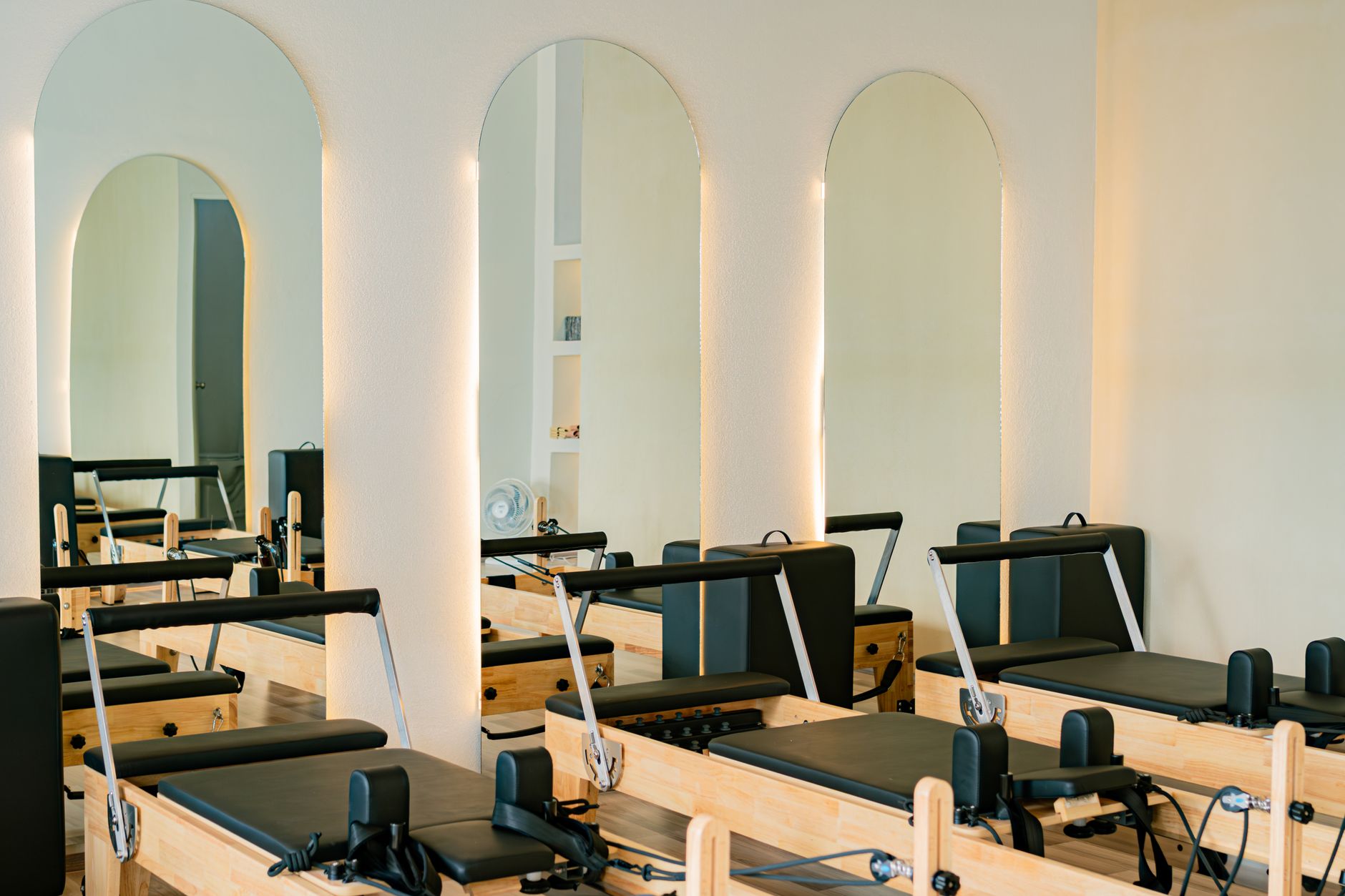
- Pilates reformer studios: Several high-quality studios run small-group classes with imported equipment. These are popular with residents who prioritize alignment and core work.
- Barre and dance: A growing number of specialized studios serve residents interested in barre, contemporary dance, and movement-based fitness.
- Hotel gym access: Several five-star hotels offer day passes or long-term memberships to residents. Facilities are typically excellent, with pools included.
Seminyak is better suited to residents who prefer a curated, quieter environment over Canggu's higher-energy scene.
Uluwatu and the Bukit Peninsula: Surf-Integrated Fitness
The Bukit is where serious surfers live, and the fitness culture here is organized around surfing performance:
- Surf-specific training: Strength and conditioning programs designed around surfing are common. Yoga and stretching studios here often cater specifically to surfers.
- Cliff-top yoga: Some of Bali's most scenic yoga sessions take place on the Bukit's clifftops overlooking the Indian Ocean. The combination of altitude, breeze, and ocean views is hard to replicate anywhere.
- Smaller, community-led gyms: Uluwatu has fewer large facilities but a tight-knit community around training. Expect more personalized attention and a more local feel.
Sanur: The Understated Wellness District
Sanur attracts a quieter demographic — families, retirees, and professionals who prefer a slower pace — and its fitness offerings reflect that:
- Morning beach walks and running: Sanur's beachfront promenade is one of Bali's best walking and running routes. Flat, scenic, and reliably uncrowded in the early morning.
- Established yoga studios: Sanur has some of Bali's longest-running yoga schools, attracting serious practitioners interested in traditional lineage over trend.
- Swimming: Several facilities and hotels offer pool memberships. The calm, protected bay makes open-water swimming accessible year-round.
Practical Considerations for Long-Term Fitness Planning
Membership Structures
Most gyms and studios offer monthly, quarterly, and annual membership options. Long-term residents consistently find better value in quarterly or annual commitments. Drop-in rates are available everywhere but add up quickly.
Heat and Timing
Bali's tropical heat matters for training. 6–9am and 5–7pm are the most comfortable windows for outdoor activity and are peak hours at studios. Midday training requires climate-controlled spaces and aggressive hydration.
Community as Motivation
One of the underrated advantages of Bali's fitness scene is how community-driven it is. Regular class schedules create a consistent social group. Many long-term residents cite gym and studio friendships as one of the primary ways they built their social life on the island.
Nutrition Support
Bali's healthy food infrastructure aligns well with serious fitness goals. Cold-pressed juice bars, plant-based restaurants, high-protein local warungs, and dedicated meal prep services make it straightforward to eat in support of your training.
Building a Routine That Lasts
The mistake most new long-term residents make is over-scheduling their first weeks and burning out. The sustainable approach is to anchor one or two regular commitments — a weekly yoga class, a morning gym session — and let the routine expand organically as you settle in.
Bali's fitness community rewards consistency. The instructors remember you. The schedule becomes familiar. Within a few months, your routine here will feel more established than it did back home.
FAQ
How much does a monthly gym membership cost in Canggu?
Expect to pay between IDR 700,000 and IDR 2,500,000 per month depending on the facility, with premium boutique studios at the higher end. Many offer discounted rates for three or six-month commitments.
Is it easy to find yoga classes in English?
Yes. In Canggu, Seminyak, and Uluwatu, virtually all group classes are taught in English. Teacher quality varies — it is worth attending a trial class before committing to a studio.
Can I surf as a fitness activity even as a beginner?
Absolutely. Bali has excellent beginner surf schools across multiple beaches. Surfing is genuinely demanding physical exercise and integrates naturally into a long-term fitness routine.
What should I bring for outdoor training in Bali?
Sunscreen, rehydration salts (available at every pharmacy), and moisture-wicking clothing. The humidity requires adjustment — give yourself two to three weeks before pushing intensity.