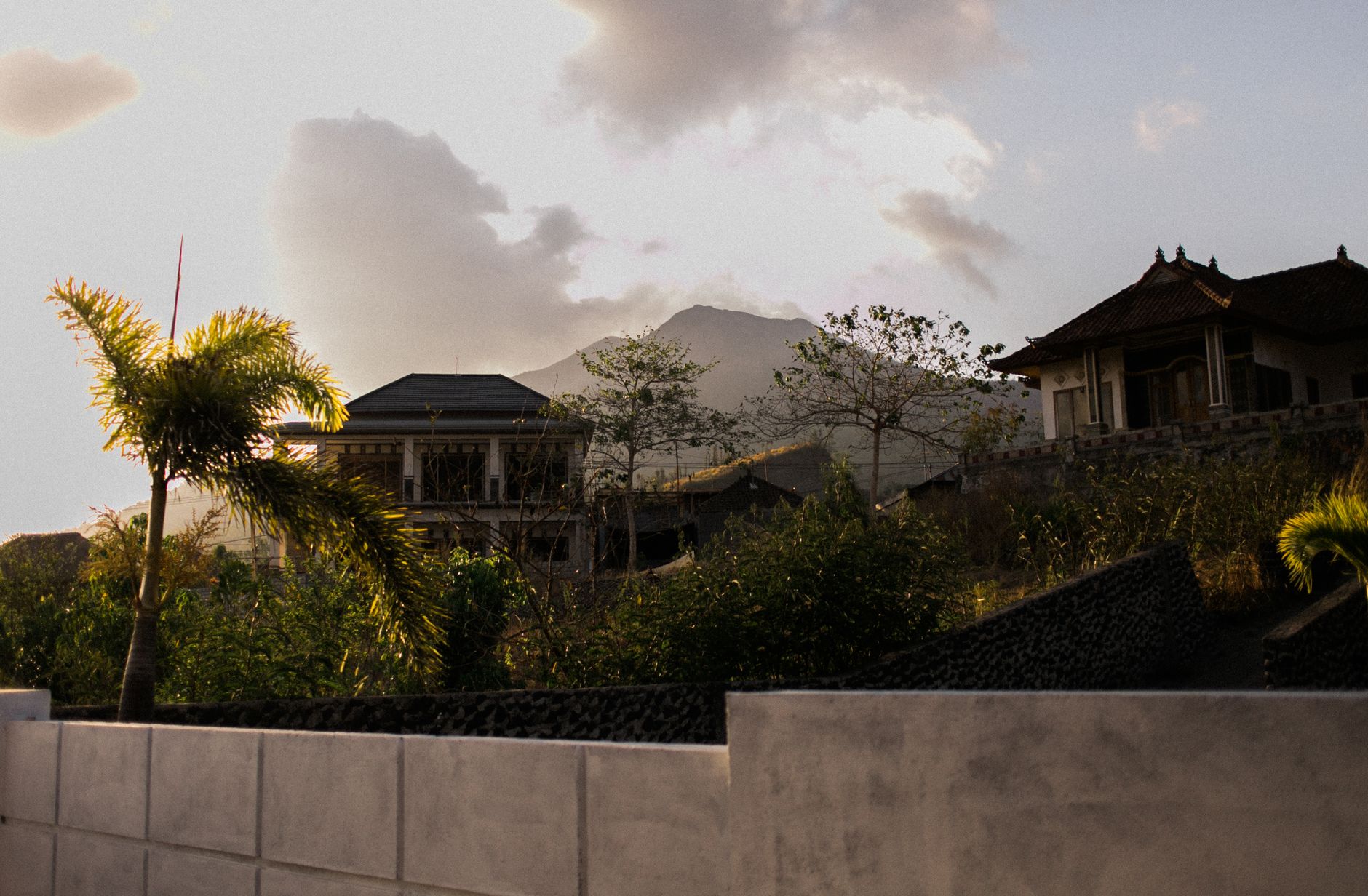
Bali's Property Market: Smart Capital Finds Its Level
The Bali real estate market has moved beyond recovery. It has entered a more mature phase—one defined less by dramatic appreciation and more by geographic diversification, investor sophistication, and the arrival of new capital from unexpected corners of the world.
For those accustomed to watching Bali's property story unfold through headlines of explosive growth, 2025 might feel quieter. It isn't. It's simply different. The market is doing what healthy markets do: settling into equilibrium, revealing which locations and property types genuinely merit investment, and filtering out the speculation that characterized the post-pandemic surge.
The Tale of Two Markets: Stability and Emergence
Where Prices Have Anchored
Bali's crown jewel locations—Canggu, Seminyak, and the clifftop estates of Uluwatu—have experienced something that resembles finality. The explosive land price appreciation of 2021 through 2023 has given way to a plateau. Premium Canggu acreage now commands IDR 2–5 billion per are (100 sqm), with oceanfront parcels demanding substantially more.
This stabilization isn't disappointment. It's equilibrium. The ceiling was determined by something immutable: the relationship between land cost and the rental yields that justify development. Once that mathematics tightens, prices naturally find their level. Investors who recognized this inflection point ahead of the curve have already captured their appreciation. New entrants to these zones should calibrate expectations toward yield sustainability rather than capital growth.
Where the Real Movement Lives
While South Bali's tier-one addresses have quieted, the periphery has awakened. The stretch immediately north of Canggu's recognized center—Pererenan, Cemagi, and Seseh—has become where investors are capturing what they missed in established neighborhoods.
Pererenan exemplifies this trajectory. Land that traded at roughly IDR 800 million per are in 2022 now commands IDR 1.2–1.8 billion. That's meaningful appreciation driven by something more sustainable than hype: genuine infrastructure improvement, the arrival of established hospitality operators, and the simple economics of proximity to proven locations at lower entry cost.
Cemagi and Seseh remain earlier-stage, which is precisely why they're attracting sophisticated investors—those who understand the pattern and recognize that infrastructure and operator activity, not marketing, drive long-term value.
Ubud: A Different Investor Story
Ubud represents something distinct from the coastal villa narrative. The mountain district has attracted wellness-focused developments, retreat centers, and lifestyle properties—a completely different capital profile and return structure.
Per-are pricing in Ubud's premium rice-terrace zones remains below South Bali equivalents, but the gap narrows annually. More importantly, Ubud investors aren't chasing the same returns. They're pursuing operational businesses with lifestyle components, not pure rental yield plays. That distinction matters enormously when evaluating opportunity.
The Yield Landscape: Where Returns Actually Live
If you're investing capital, you're ultimately investing for returns. The 2025 yield picture is nuanced—and more favorable than surface-level comparisons suggest.
Premium short-term rental operations (South Bali's tier-one locations) deliver 10–16% gross yields. These are competitive globally and reflect a market that works. But they demand operational excellence, professional management, and realistic understanding of seasonality.
Mid-market properties (the emerging corridors and upper-tier secondary locations) achieve 7–11% gross yields. The spread reflects higher occupancy risk but lower entry costs.
Long-term residential rentals sit at 5–8% gross—comparable to developed-market real estate, but with superior risk-adjusted returns for those comfortable with Bali's market structure.
Off-plan projects tout 12–18% projected yields. Here's the essential truth: developer projections are not guarantees. They're sales tools. Independent verification of comparable market performance, developer track record, and financial stability is not optional—it's foundational due diligence.
The Quiet Strength of Long-Term Rentals
A trend worth emphasizing: the strengthening of monthly and long-term rental demand. Digital nomads, remote workers, and location-independent professionals increasingly seek multi-month arrangements rather than short-term tourist bookings. This segment has delivered unexpected occupancy stability, reducing the seasonal volatility that villa owners traditionally navigate.
For investors with lower risk tolerance, this trend is significant. It offers returns that approach comparable asset classes while introducing professional tenant relationships and more predictable cash flows.
Supply: How the Market Is Building
The Shift Toward Small Compounds
Development patterns in 2025 reveal operator learning. Where 2023 saw speculative single-villa projects, 2025 increasingly favors small compounds—typically 4–8 units on a single site.
This shift isn't random. Compound development achieves something critical: operational and cost efficiencies that justify quality finishes and professional management. Individual villa owners struggle with booking sophistication and operational consistency. Compounds with diverse unit types (studios through three-bedroom villas) can optimize occupancy and accommodate varied guest profiles within a single operation.
For investors, this means the quality operators are shifting strategy. That's worth noting when evaluating available inventory.
Off-Plan: Opportunity and Imperative Caution
Off-plan villa sales remain active. Developers continue marketing pre-completion packages with attractive pricing and projected returns. The economics make sense—why not capture appreciation between purchase and completion?
But Bali's history includes cautionary tales: projects that failed to materialize, were abandoned mid-construction, or delivered substantially below marketed specifications. Off-plan investment in Bali requires forensic due diligence on completed projects by the same developer, verifiable financial standing, contractor relationships, and independent project inspection. It's not optional. It's the price of capital deployment here.
North Bali: Long-Horizon Speculation
The Indonesian government's commitment to North Bali tourism infrastructure—the North Bali development corridor and the planned airport near Kubutambahan—has catalyzed speculative land acquisition in genuinely early-stage zones.
This is higher-risk capital deployment. Land purchased today in areas that remain genuinely underdeveloped might appreciate substantially if infrastructure arrives as planned. Or it might stagnate if timelines slip or priorities shift. Long-time-horizon investors with capital patience can participate; short-term return expectations would be misaligned.
Who Is Buying Bali in 2025
The foreign investor base has diversified substantially beyond the historical dominance of Australian and Western European buyers.
Middle Eastern capital has become increasingly visible, particularly in luxury villa and retreat projects. Bali's appeal to affluent regional travelers generates natural interest from regional investors.
Indian high-net-worth individuals from India's expanding wealth segment now represent a meaningful investor cohort, often blending personal use with rental income.
Digital nomads converting to investors—primarily from the US and UK—are moving from renter status to ownership after extended residency. They typically enter through leasehold agreements in neighborhoods they've lived in and genuinely understand.
Southeast Asian regional investors from Singapore, Malaysia, and Hong Kong increasingly view Bali real estate as yield alternative to saturated home markets.
This diversification matters. It suggests demand fundamentals extend beyond single-market cycles. It also means competitive capital, which should keep deal terms disciplined.
Regulatory Currents to Navigate
Short-Term Rental Rules Are Clarifying
The Indonesian government has been moving toward clearer regulatory frameworks for short-term villa rental, including stricter licensing requirements and tax compliance mandates. Informal operators—those operating without proper licensing—face escalating enforcement attention.
For professional, compliant operators, this is healthy. It filters out informal competition and rewards operational sophistication. Verify current licensing requirements for any property before purchase.
Foreigner Property Ownership: Watch, Don't Assume
Government discussions regarding potential direct property ownership by foreigners (particularly apartments above certain value thresholds) have been ongoing. No legislation has materialized as of mid-2025, but the conversation persists. This bears monitoring for potential future optionality, but current investment decisions should not be predicated on speculative regulatory change.
Agricultural Land Conversion Is Tightening
Enforcement of restrictions on agricultural land conversion has become stricter. Projects in peripheral areas attempting to repurpose agricultural or protected land face regulatory obstacles. Zoning verification is not a courtesy—it's mandatory due diligence before any land acquisition.
What Signals to Watch Through 2026
Three developments could meaningfully shape market trajectory:
North Bali airport progress. Groundbreaking or concrete construction schedules would immediately accelerate speculative activity in northern zones. Current status: watch closely.
Long-term visa adoption. The growth of digital nomad visa holders directly converts to long-term villa rental demand. If visa uptake accelerates, expect corresponding strengthening in the monthly rental segment.
Chinese tourism recovery. Pre-pandemic, Chinese tourists represented a substantial portion of Bali's visitor economy. Full recovery to those levels would be a material demand catalyst for hospitality and short-term rental assets.
Regulatory clarity on short-term operations. As licensing frameworks solidify and enforcement normalizes, professionally-managed properties will benefit disproportionately. This may also reduce the inventory of informal supply.
Frequently Asked Questions
Is 2025 a good time to invest in Bali property?
Yes, but with important precision: specific locations and property types merit investment; blanket exposure does not. Tier-one South Bali offers yield sustainability with slower appreciation. Emerging corridors like Pererenan offer appreciation potential with yield support. Ubud offers lifestyle-plus-income returns for wellness-focused operators. North Bali offers long-horizon appreciation potential with substantial interim volatility. The question isn't "should I buy in Bali"—it's "which Bali segment aligns with my capital, timeline, and risk tolerance?"
What's the difference between buying a completed villa and investing off-plan?
Completed villas offer immediate verification of quality, rental performance, and occupancy data. Off-plan offers lower entry pricing and potential completion-point appreciation but requires deep developer due diligence and comfort with construction timelines and regulatory unpredictability. Off-plan is not inherently better or worse—it's higher-complexity capital deployment with different risk/return characteristics.
How important is professional management to rental returns?
Critically important. The difference between a property generating 10% yield and 6% yield often comes down entirely to booking management sophistication, operational consistency, and guest experience. Self-managing remotely doesn't work at scale. Professional management companies (choose reputable, established operators) are not optional overhead—they're the infrastructure enabling the returns you're buying for.
Can foreigners legally own property in Bali?
Foreigners cannot directly own land in Indonesia, but can own buildings (villas, apartments) through freehold title. Land is accessed through long-term leasehold agreements (typically 30 years, renewable). Current regulations are clear on this structure. Verify any property through a qualified local legal advisor before purchase.
What's the realistic entry price for a rental villa investment?
Viable rental villa operations typically require minimum capital of $150,000–300,000 USD for secondary-tier properties in emerging zones, or $400,000–800,000+ USD for tier-one South Bali locations. Below those thresholds, operational costs and seasonality create return compression that makes other investments more attractive. Higher entry costs yield better risk-adjusted returns.