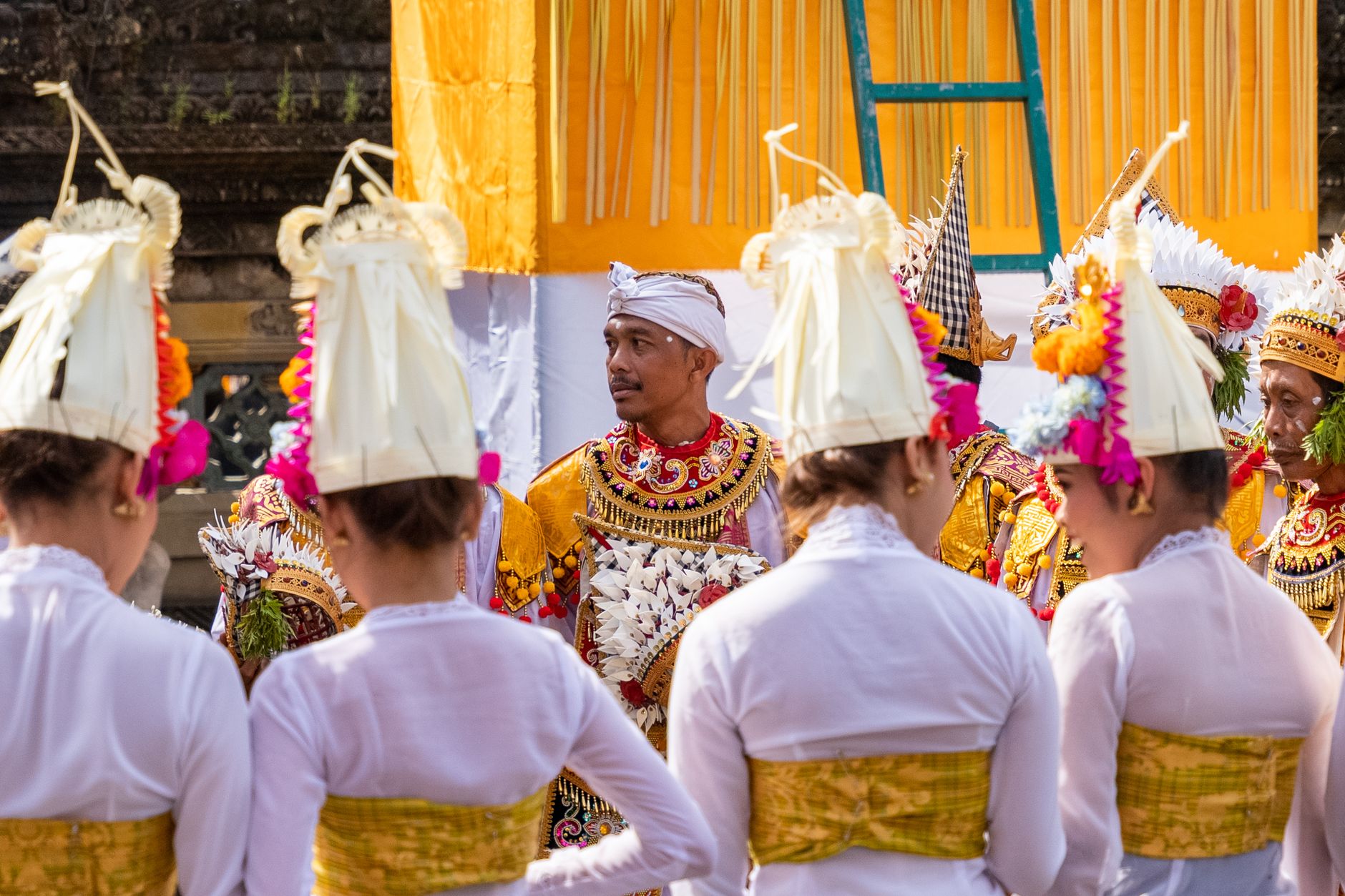
The Ceremonial Pulse: Living Within Bali's Spiritual Calendar
There's a particular moment that arrives for most people relocating to Bali—usually sometime in the first few months of residence. You're navigating the Ubud market or settling into your villa when you notice something shifting in the air. Streets fill with sounds you haven't heard before. Decorations appear overnight. Your neighbors move with purpose while you're still drinking your morning coffee. In that moment, you realize you've entered a calendar unlike any you've inhabited before.
This isn't simply a place where you can own property or build a business. Bali operates as a living, breathing organism guided by spiritual rhythms that predate your arrival by centuries. For anyone considering long-term residence—whether you're drawn here for five years or indefinitely—understanding these ceremonies isn't optional. It's the difference between observing Bali from the outside and actually belonging to it.
Understanding the Philosophy Behind the Rhythm
To grasp why ceremonies feel so foundational here, you need to understand Tri Hita Karana—a philosophy that translates roughly as "three causes of well-being." It's deceptively simple: harmony must exist simultaneously between humans and other humans, between humanity and the natural world, and between the material and spiritual realms.
This isn't an abstract concept debated in philosophy seminars. It's the operating system for how communities function.
When you live in Bali long enough, you stop viewing ceremonies as interruptions to normal life. They are normal life. They're how the island maintains its equilibrium. This mindset shift—from seeing rituals as obstacles to recognizing them as the actual structure of existence—separates residents who thrive from those who perpetually feel inconvenienced.
How This Shows Up in Daily Reality
If you're working remotely, running a business, or maintaining any sort of schedule, Bali's ceremonial calendar will demand your attention:
- Transportation becomes unpredictable during temple celebrations and processions; traffic patterns shift with little warning
- Commercial rhythms adjust—shops close, restaurants reduce hours, delivery services pause
- Sonic landscape transforms entirely; the neighborhoods you know might echo with gamelan orchestras, chanting, or ceremonial music at unexpected hours
- Visual environment changes dramatically with decorations, offerings, and architectural preparations
- Social expectations shift; community participation is assumed during significant observances
Those who build their lives around these realities rather than against them report something unexpected: they stop noticing the disruption and start experiencing genuine cultural integration. The ceremonies become the signature of home—the thing that reminds you that you're somewhere fundamentally different.
The Island's Essential Observances
Galungan: When Ancestors Return Home
Occurring every 210 days according to the Pawukon calendar, Galungan represents one of Bali's most visually spectacular and spiritually significant celebrations. It commemorates the ultimate victory of good over evil, and on a personal level, marks the moment when ancestral spirits return to their families.
You'll recognize Galungan before you understand it. Throughout the island, penjor—tall, elegantly curved bamboo poles decorated with palm fronds and ceremonial offerings—appear on roadsides, in temple courtyards, and outside residential compounds. These aren't casual decorations. They're installed with precision and reverence, and watching families labor over their construction reveals how seriously this moment is held.
During Galungan:
- Expect significant traffic congestion, particularly in the days preceding and following the main celebration date
- Neighborhoods transform as families prepare intricate offerings and visit temples for rituals
- Certain roads close entirely for ceremonial processions
- A collective sense of purpose becomes palpable—work deadlines soften, schedules flex, priorities realign
- Restaurants, shops, and services may have reduced hours or close temporarily
For residents with flexible schedules, Galungan week often becomes a natural point to step back from regular commitments. Rather than fighting the current, many successful expat business owners treat it as a built-in pause—a time to reset, explore your community's unique ceremonial expressions, or simply acknowledge that something genuinely important is happening around you.
Kuningan: The Gentler Closure
Ten days after Galungan's peak, Kuningan arrives. Where Galungan celebrated reunion and return, Kuningan marks departure—the ceremonial farewell of ancestral spirits back to the spiritual realm.
Kuningan feels quieter. The offerings are smaller, more symbolic. Most businesses operate near-normally. For expat residents accustomed to Western holiday patterns, Kuningan often passes with minimal disruption to daily logistics while still providing insight into how Balinese spirituality functions across different emotional registers. One ceremony bursts with celebration; the other whispers with reverence.
Nyepi: 24 Hours of Absolute Stillness
Then there is Nyepi—the Balinese New Year, observed with an island-wide pause so complete that it fundamentally alters how the entire place functions.
For exactly 24 consecutive hours (typically in March, though dates shift annually):
- Zero vehicles operate on roads—no cars, motorcycles, trucks, or taxis
- All flights cease—airports close entirely; no departures, no arrivals
- Every business closes—shopping centers, restaurants, even emergency services operate minimally
- No work occurs—offices, construction sites, and digital operations pause
- Darkness is maintained—traditionally no lights or fires; modern practice is more flexible, but the spirit of restraint persists
- Entertainment stops—beaches are closed, activities cease, leisure is suspended
- Quiet becomes tangible—the absence of noise becomes almost physical
The day preceding Nyepi, called Hari Raya Nyepi, features Ogoh-ogoh processions—massive, elaborate effigies representing demonic forces parade through streets accompanied by music, dancing, and theatrical grandeur. The contrast is intentional: explosive release of energy, followed by complete silence.
For first-time residents, Nyepi can feel disorienting. The silence—genuine, island-wide silence—becomes almost overwhelming. No traffic hum. No construction. No commerce. Many expats report unexpected meditation in this stillness. Others find it slightly claustrophobic.
Essential planning for Nyepi:
- Stock your home with groceries, water, and fuel well in advance
- Ensure adequate generator fuel if you rely on one
- Arrange any necessary travel to occur before or after this 24-hour window (absolutely no exceptions)
- Plan entertainment or work you can do without leaving home
- Accept that Bali simply will not operate; there is no negotiation or flexibility
Many expats develop an annual rhythm around Nyepi—some treat it as a personal retreat day, others gather with friends for quiet celebrations, still others view it as a gift of forced rest in an otherwise busy year.
Odalan: Individual Temple Celebrations
Beyond these island-wide observances, every temple celebrates its own odalan—an annual anniversary ceremony unique to that specific temple. In a neighborhood with multiple temples, you might experience several odalan celebrations throughout the year.
Odalan ceremonies vary dramatically in scale. A small neighborhood temple might hold an intimate gathering of local families; a major temple like Besakih or Tanah Lot conducts elaborate multi-day celebrations drawing thousands. Regardless of scale, odalan follows similar patterns: preparation of offerings, ritual purification, ceremonial activities, and feasting.
For residents, odalan ceremonies offer the most accessible entry point into Balinese ritual. They're smaller and less institutionalized than Galungan or Nyepi, yet they reveal genuine community structure. Getting to know your immediate neighborhood's temple calendar—and occasionally attending or offering support—accelerates integration in subtle but meaningful ways.
Beyond Dates: The Deeper Integration
Reading the Ceremonial Landscape
Long-term residents develop a sort of ceremonial literacy. You begin recognizing the visual language: the specific arrangement of offerings indicates which ceremony is occurring; the type of decoration suggests which temples are celebrating; the density of activity in certain neighborhoods reveals family priorities.
This knowledge becomes practical. You learn to anticipate traffic patterns, adjust work schedules proactively, and plan social events around the ceremonial calendar rather than fighting it. More importantly, you start understanding the why behind Balinese cultural decisions—why your landlord scheduled construction to avoid certain dates, why your employee requested time off weeks in advance, why your favorite restaurant temporarily closes.
Building Relationships Through Participation
One of the most rewarding aspects of long-term residence is being invited to participate in ceremonies—either as a neighbor, employee, or community member. These invitations signal genuine acceptance. You might be asked to contribute to offerings, help with preparations, or simply attend family gatherings.
Accept these invitations. Dress appropriately (sarongs are usually provided), ask respectful questions, and participate thoughtfully. This is how you move from being someone who lives in Bali to being someone who belongs to a community within Bali.
The Practical Reality of Ceremonies
Let's be direct: ceremonies do create logistical challenges. Internet service becomes spotty during major celebrations. Deliveries might not arrive on schedule. Your housecleaner may not show up for several days. If you're running a business dependent on reliable infrastructure, you need systems that accommodate these rhythms.
Yet residents who plan well—who build buffer time into project timelines, maintain backup supplies, and communicate expectations clearly with staff—find that ceremonial disruptions become manageable. More than manageable: they become part of the fabric that makes Bali feel genuinely special.
Practical Living Within the Calendar
For Remote Workers and Digital Entrepreneurs
- Build flexibility into deadlines around known ceremonial dates
- Maintain offline-capable work for peak ceremony periods
- Communicate proactively with clients about seasonal disruptions
- Create buffer time in project timelines
- Expect internet inconsistency during major observances
For Those Running Local Businesses
- Adjust staffing schedules in advance of major ceremonies
- Reduce operating hours rather than fight the cultural current
- Plan inventory to account for temporary closures
- Build relationships with your community so expectations are clear
- Embrace the pause—some of the most successful expat business owners treat ceremonial periods as built-in reset cycles
For Residential Planners
- Learn the temple calendar for your specific neighborhood
- Anticipate noise and plan accordingly (especially useful for those sensitive to sound)
- Plan major projects to avoid ceremony periods
- Budget time and flexibility as core project requirements
- Connect with neighbors to understand what's happening and why
The Unexpected Gift
What many residents discover, sometimes to their surprise, is that Bali's ceremonial calendar becomes a gift rather than an obstacle. In a world structured around endless productivity and relentless connection, Bali imposes natural rhythms. The ceremonies force you to pause, to acknowledge something larger than your individual agenda, to participate in community rather than spectate from the sidelines.
The neighborhoods that feel most alive aren't the ones fighting these rhythms. They're the ones moving with them.
FAQ: Living with Bali's Ceremonial Calendar
Q: Do I need to participate in ceremonies as a resident?
A: Participation isn't mandatory, but integration is. You can live here without participating, but you'll experience Bali as disruption rather than context. Choosing to learn about ceremonies—and occasionally participating when invited—transforms how you experience daily life.
Q: How far in advance should I plan travel around Nyepi?
A: Book all flights at least 3-4 weeks before or after Nyepi. There are no exceptions, no workarounds. The entire airport closes. Some residents build annual trips around Nyepi, leaving the island entirely.
Q: Will ceremonies affect my ability to work remotely?
A: During major ceremonies, internet reliability decreases and utilities can be intermittent. Build in buffer time for deadlines, maintain offline-capable work, and communicate proactively with clients about seasonal disruptions.
Q: How do I find out the exact dates of ceremonies in my neighborhood?
A: Ask your landlord, neighbors, or the local temple. Temple staff can explain the odalan calendar for your specific area. Many real estate agents also maintain ceremonial calendars for their properties.
Q: Can I experience ceremonies without living in Bali year-round?
A: Absolutely. Seasonal residents and long-term visitors can coordinate visits around major ceremonies. However, the experience of ceremonies as a way of life—rather than a cultural attraction—is unique to full-time residence. There's a meaningful difference between witnessing Galungan as a tourist and living through it as a community member.