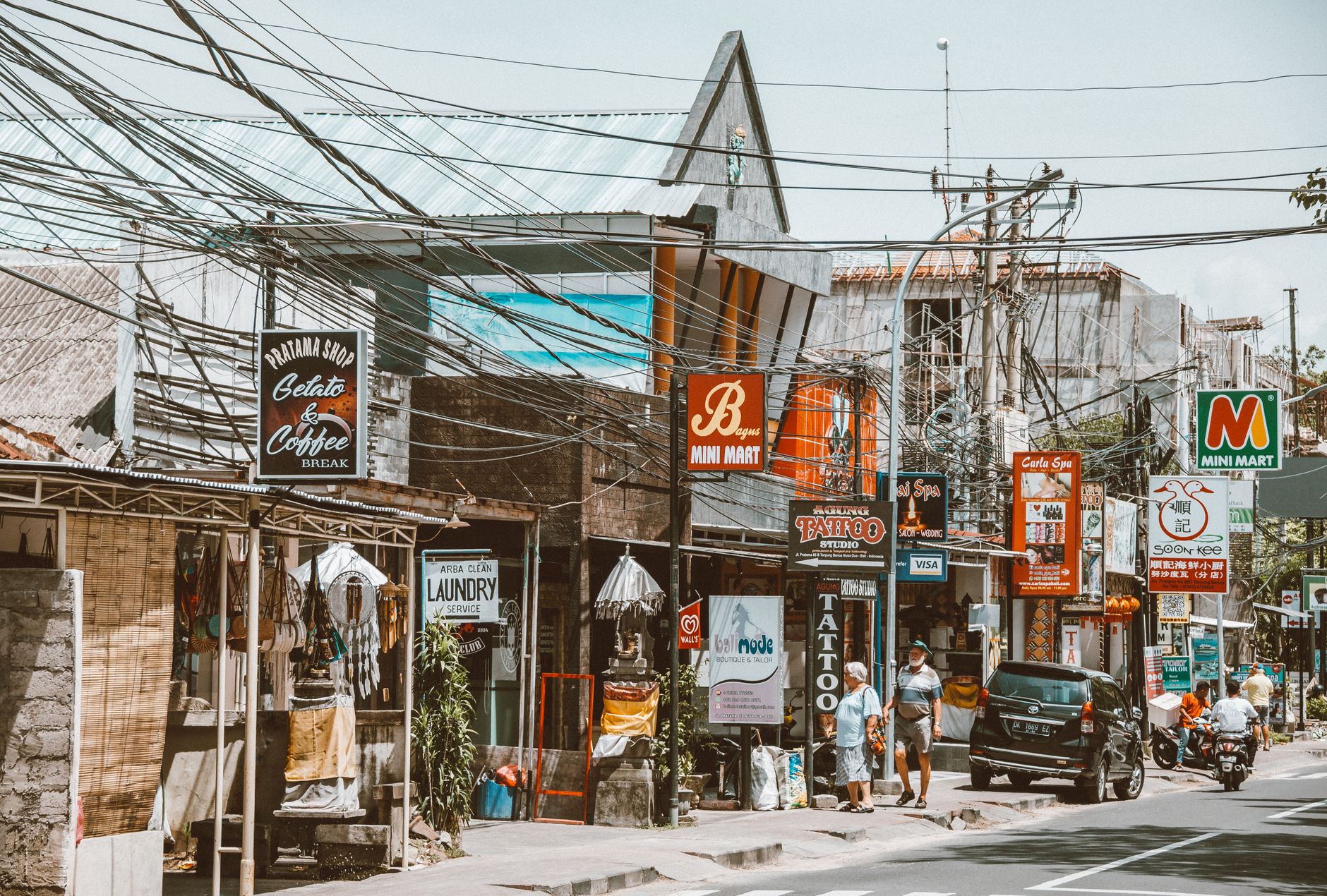
Understanding Bali's Community Before You Settle In
Bali rewards those who look beyond its postcard surface. The island's real texture — the warmth that makes long-term residents stay for decades — comes from community. Before you sign a lease, before you furnish a villa, it is worth understanding how Bali organizes itself at the neighborhood level. That understanding changes everything about the quality of your life here.
The Banjar: Bali's Foundational Social Unit
Every village in Bali is divided into Banjars — neighborhood councils that function as the social backbone of Balinese life. Think of a Banjar as a combination of local council, mutual aid society, and cultural custodian. There are roughly 3,900 Banjars across the island, each governing somewhere between 50 and 500 households.
The Banjar manages everything from temple upkeep to road maintenance to ceremonial logistics. When a community member passes away, the Banjar organizes the cremation. When a wedding is held, the Banjar coordinates the preparation. This collective responsibility — called gotong royong (mutual cooperation) — is woven into the daily rhythm of Balinese society.
As a long-term resident or expat, you are unlikely to become a formal Banjar member, but your relationship with the Banjar will shape your experience. Property owners and villa managers often maintain informal ties with the local Banjar head (Kelian Banjar), which helps smooth administrative processes and builds goodwill.
How the Banjar Affects Your Daily Life
Understanding the Banjar has immediate practical value:
- Noise and events: Ceremonies, gamelan rehearsals, and community gatherings are organized by the Banjar. Knowing the calendar helps you anticipate — and appreciate — these moments rather than being surprised by them.
- Waste management: In many areas, local waste collection operates through Banjar channels. Your villa manager will typically handle this relationship.
- Security: Informal neighborhood watch systems are often Banjar-organized. A good relationship with your local Banjar contributes to a safer, more connected living environment.
- Permits and paperwork: Villa renovation permits and certain local approvals benefit from Banjar awareness, even when officially handled through government channels.
Desa Adat: The Customary Village Layer
Above the Banjar sits the Desa Adat — the customary village, which governs spiritual and ceremonial life. Where the Desa Dinas (administrative village) handles government functions, the Desa Adat manages everything related to tradition, temples, and Balinese Hinduism.
This distinction matters for expats because Balinese life operates on two parallel tracks: the modern administrative one and the deeply traditional one. Major ceremonies — Nyepi (Day of Silence), Galungan, Kuningan — are coordinated through the Desa Adat structure. Respecting these observances is not optional; it is part of living in Bali with integrity.
Practical Ways to Build Community Connections
Learn the Basics of Bahasa Indonesia
Bahasa Indonesia is the national language and the common tongue across Bali's diverse population. You do not need fluency — a working command of daily phrases creates an immediate shift in how locals receive you. Balinese people respond warmly to foreigners who make the effort.
Hire Locally and Build Long-Term Relationships
Your housekeeper, gardener, and driver are not just service providers — they are community connectors. Long-term villa residents who treat household staff with respect and consistency find themselves with an informal social network that opens doors and smooths everyday friction.
Participate in Local Markets
Morning markets (pasar) in Canggu, Seminyak, Ubud, and Tabanan are where real community life happens. Shopping at the local pasar rather than exclusively at international supermarkets keeps you embedded in the rhythm of the neighborhood.
Respect Ceremony Schedules
Bali's Hindu calendar is dense with offerings, processions, and temple ceremonies. Rather than seeing these as traffic inconveniences, approach them with curiosity. Many long-term residents find that these moments — stumbling upon a ngaben cremation ceremony or watching a barong procession — become the most meaningful memories of their time on the island.
Expat Communities in Bali
Bali has well-established expat networks, particularly in:
- Canggu and Berawa: Home to a large digital nomad and creative community
- Seminyak and Petitenget: International business and hospitality professionals
- Ubud: Artists, wellness practitioners, and long-term spiritual seekers
- Sanur: Families and retirees who prefer a quieter pace
Expat Facebook groups, co-working spaces, and regular social events make it relatively easy to build a social foundation quickly. The challenge — and the opportunity — is moving beyond the expat bubble into genuine connection with Balinese neighbors.
Legal Considerations for Long-Term Residents
As a foreigner staying long-term in Bali, certain administrative steps matter:
- KITAS (Temporary Stay Permit): Required for stays beyond 60 days. Social and investor KITAS categories apply to different situations.
- Local registration: Renting a villa typically involves registering with local authorities. Your villa manager or landlord usually handles this, but it is worth confirming.
- Visa runs and extensions: If you are on a tourist visa, understanding the extension and border-run process early saves significant stress later.
Living Here vs. Visiting Here
The most consistent thing long-term Bali residents say is this: the island reveals itself slowly. Tourists see ceremony as spectacle. Residents learn to see it as infrastructure — the system that holds Balinese society together. The more you understand that system, the more Bali opens up.
The Banjar is not just an administrative curiosity. It is an invitation. Bali's community life is available to those who approach it with patience and respect.
FAQ
Do I need to participate in Banjar activities as a foreigner?
Formal participation is not required, but showing respect — attending open community events, maintaining cordial relations with the Kelian Banjar — builds goodwill that benefits your daily life.
What is Nyepi and how does it affect long-term residents?
Nyepi is Bali's Day of Silence, observed annually. The entire island shuts down for 24 hours — no travel, no lights, no noise. As a long-term resident, you are expected to observe these restrictions regardless of your religion or background.
How do I find expat communities in my area?
Facebook groups like 'Bali Expats' and area-specific groups (Canggu Community, Seminyak Expats) are the most active. Co-working spaces and regular community events at cafes and restaurants are also reliable entry points.
Is it safe to live in Bali long-term?
Bali has a low violent crime rate and a strong culture of community responsibility. The main concerns for long-term residents relate to traffic safety, petty theft in tourist areas, and health infrastructure outside the main tourist corridors.