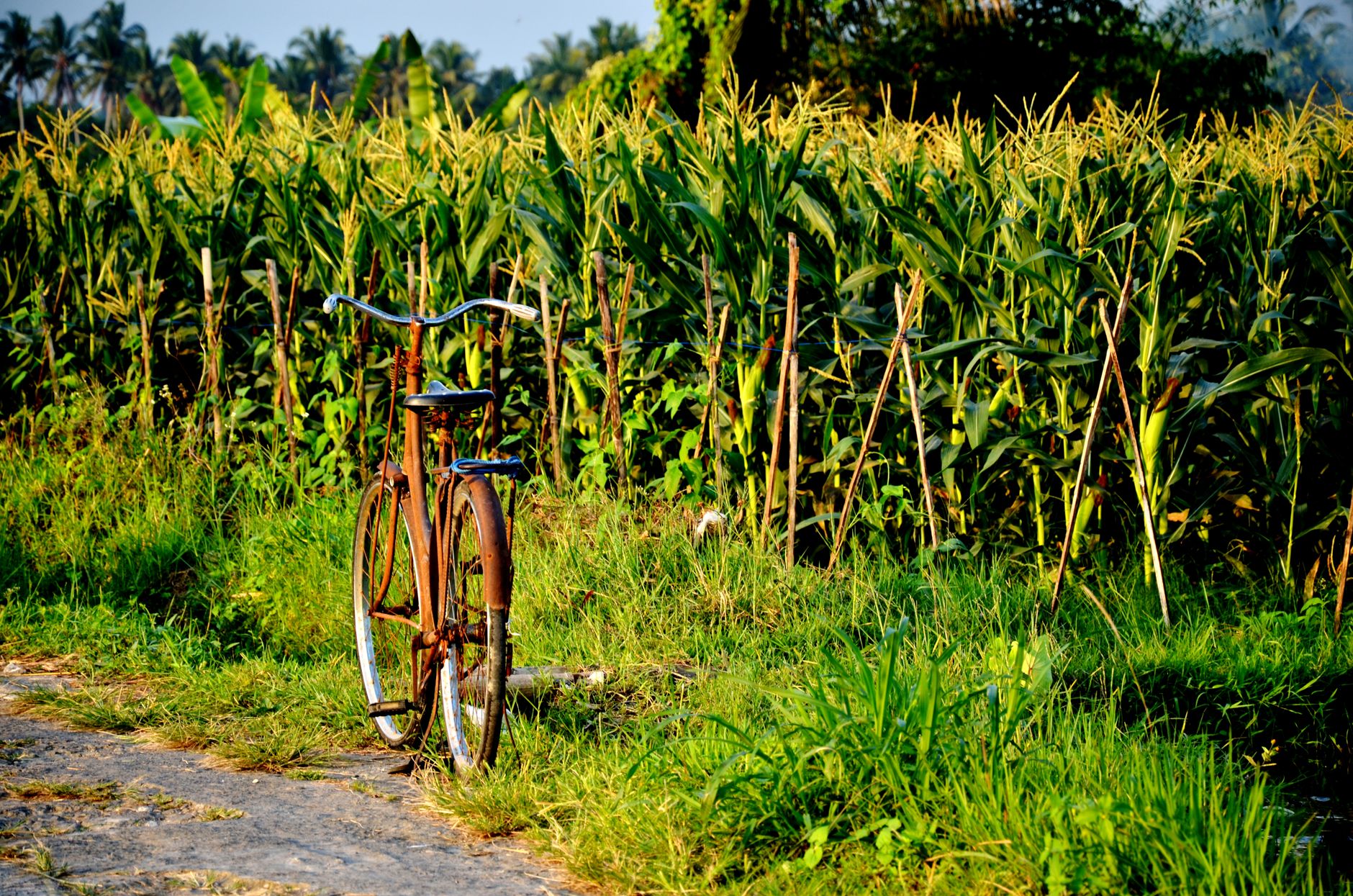
The Island Transforms When You Slow Down
There's a particular magic that happens when you trade four wheels for two and momentum for intention. Bali at bicycle speed is not the Bali of packed tour buses and traffic-choked bypasses—it's something altogether different. The island reveals itself in increments: the precise geometry of rice terraces carved into hillsides, the scent of frangipani and temple incense drifting across village paths, the unhurried conversations that unfold when you stop at a warung not as a tourist checking boxes, but as a genuine visitor moving through lived space.
Cycling through Bali's secondary roads and village networks is how the island speaks most authentically. The main arterials—those congested ribbons of aggressive traffic where tourist vans play a dangerous game of territorial dominance—tell a different story entirely, one of commerce and congestion. But venture onto the paths that weave through agricultural land and past family compounds, and you enter a Bali that most visitors never actually experience.
This isn't a pursuit for those seeking an adrenaline rush on busy highways. Rather, it's for travelers who understand that the best experiences on an island often require stepping outside the obvious framework—and for property investors and lifestyle-focused residents who recognize that proximity to authentic Bali, rather than tourist infrastructure, defines real value.
Why the Downhill Route Became Iconic
The classic descent from the Gunung Batur crater rim through Kintamani into Ubud's lowlands has become Bali's most celebrated cycling experience, and with reason. What begins at elevation—approximately 1,500 meters above sea level—unfolds as a gravity-powered journey through some of the island's most visually stunning terrain.
The full route spans 30 to 35 kilometers over three to four hours, but don't let the distance intimidate. This is not an athlete's challenge; it's a descent that rewards patience and attention. The tour operators who manage this route daily understand that many visitors arrive convinced Bali's cycling reputation is overblown. By the end, most are convinced otherwise.
The critical differentiator among operators: Look beyond the marketing claims. The best experiences come from companies investing in well-maintained equipment—modern gearing systems, brakes that actually function reliably—combined with guides who navigate you through authentic village life rather than curated tourist checkpoints. A properly fitted helmet matters more than you'd expect, particularly on longer descents.
What Makes It Work
The route succeeds because it leverages gravity while introducing you to the rhythms of Balinese agricultural life. You'll pass through villages where the cycling tour represents a momentary blip in daily routines rather than the primary economic transaction. You'll see rice paddies at the precise angle that reveals their engineering elegance. You'll understand, viscerally, why elevation matters to Balinese geography and culture.
The Routes for Riders Who Want Challenge
If the downhill tour feels too guided, too templated, these routes demand more from both rider and bicycle:
Munduk to Bedugul: North Bali's Serious Terrain
The highland lakes and clove-growing villages of north Bali represent the island's more challenging cycling proposition. Long climbs, unpredictable road surfaces, and genuine elevation changes separate serious cyclists from casual riders. But the reward justifies the effort: Lake Bratan emerging from morning mist, viewed from a pass you earned through physical effort, registers differently than the same view from a car window.
The scenery here ranks among Bali's most dramatic—not the postcard landscapes, but the rawer geology and climate zones that remind you the island contains actual mountains, not just photogenic backdrops.
Sidemen Valley: East of Ubud's Quiet Alternative
While Tegalalang's rice terraces draw crowds, the Sidemen Valley—situated east of Ubud with Mount Agung as a permanent eastern presence—offers superior cycling with significantly less vehicular traffic. The terrain ranges from flat rice-field paths to moderate climbs, making it accessible without sacrificing authenticity.
The valley has also developed some of Bali's most thoughtfully designed cycling-accessible accommodations, which matters if you're considering longer stays focused on the cycling experience as genuine lifestyle activity rather than week-long distraction.
Jatiluwih: Where Scenic Routes Meet Solitude
The UNESCO-protected rice terraces in Tabanan's Jatiluwih area present an uncommon combination: stunning visual drama paired with minimal vehicular congestion. Ride here at dawn, and you'll often find yourself moving through terraced landscapes that feel almost private—the visual reward of Bali's agricultural history without the negotiation of tourist density.
Flat-to-rolling terrain makes this accessible to a wide range of riders, while the early-morning light makes every photograph feel earned rather than merely documented.
Mountain Biking: The Developing Frontier
Bali's mountain biking scene remains smaller and less formally mapped than established destinations, but it's growing. The Bedugul and Tabanan highland areas, along with the Kintamani volcanic region, contain trail systems that reward both technical skill and willingness to explore.
The key to serious mountain biking in Bali: connect with local guides who maintain current knowledge of trail conditions. The MTB community here is genuinely passionate but genuinely small—which means it's not hard to find excellent riders willing to show you terrain that rarely appears in guidebooks. Online expat networks and local cycling clubs surface the best current intelligence far more reliably than generic touring websites.
Practical Considerations for the Committed Cyclist
Bikes and Rentals
Rental equipment in Ubud and Canggu ranges from genuinely serviceable to frankly questionable. If cycling represents a priority activity—particularly if you're considering mountain biking—shipping or purchasing your own bike makes sense. The equipment investment pays dividends across multiple trips and eliminates the variables of rental quality.
For independent exploration of Ubud's village network using rented bicycles, you can comfortably navigate within a 10-kilometer radius with basic navigation tools and moderate cycling competence. Half-day independent riding through rice paths and village roads represents excellent value and genuine discovery.
Safety and Reality
Wear a helmet—genuinely wear one, despite observing that many local riders don't. Road surfaces vary considerably. Night riding on anything approaching a main road is genuinely inadvisable. These aren't conservative restrictions; they're acknowledgments of actual conditions.
Variable road quality means your equipment and braking systems matter more than they might in fully developed cycling infrastructure. Plan accordingly.
Timing and Season
The dry season (May through September) offers obvious advantages: drier roads, better visibility, predictable weather patterns. However, cycling during the wet season (October through April) remains entirely feasible if you build flexibility around afternoon rain timing and understand that road conditions will be messier. Many experienced riders appreciate the wet season's emptier roads and dramatic skies.
Why Cycling Matters for Living in Bali
For those considering Bali as more than a holiday destination—as a genuine place to live or invest—cycling experience creates a different relationship with landscape and community. You move through the island at human speed. You encounter neighbors and agriculture and daily life in contexts that cars simply don't provide.
Properties positioned near quality cycling infrastructure—secondary roads, village networks, rice terrace systems—carry a different kind of value than those accessible primarily via main arterials. They offer genuine lifestyle advantage to residents prioritizing authentic engagement with Balinese culture and geography.
Cycling transforms Bali from backdrop into living system. It's the difference between visiting an island and inhabiting one.
Frequently Asked Questions
Do I need serious fitness for the classic Ubud downhill route?
No. The route is approximately 85% gravity-assisted descent. Minimal cycling fitness matters less than basic equipment comfort and confidence with braking technique on descents. Most first-time visitors complete it without difficulty.
Which Bali roads are actually pleasant for cycling?
Secondary roads and village paths throughout the agricultural zones work beautifully. Main arterials—Bypass Ngurah Rai, Sunset Road, Denpasar ring roads—are traffic-heavy and genuinely unpleasant for cycling. Route planning around secondary road networks is essential.
When should I plan a serious cycling trip?
Dry season (May–September) provides optimal conditions: drier roads, clear visibility, predictable weather. That said, wet season cycling (October–April) remains entirely viable if you maintain schedule flexibility and don't mind variable road conditions.
Can I bring my own bicycle to Bali?
Yes, though it requires airline packaging and reassembly upon arrival. For serious cyclists—particularly mountain bikers—this investment makes financial sense across multiple trips. For casual riders, rental works adequately.
What's the actual fitness commitment for mountain biking in Bali?
This depends entirely on the specific trails you're exploring. Some routes are moderate; others are genuinely technical. Connecting with local guides before committing gives you realistic assessment based on current conditions rather than outdated guidebook information.